Test 
More Wine Country
Friday to Monday, May 31 to June 2–Entre-Deux-Mers
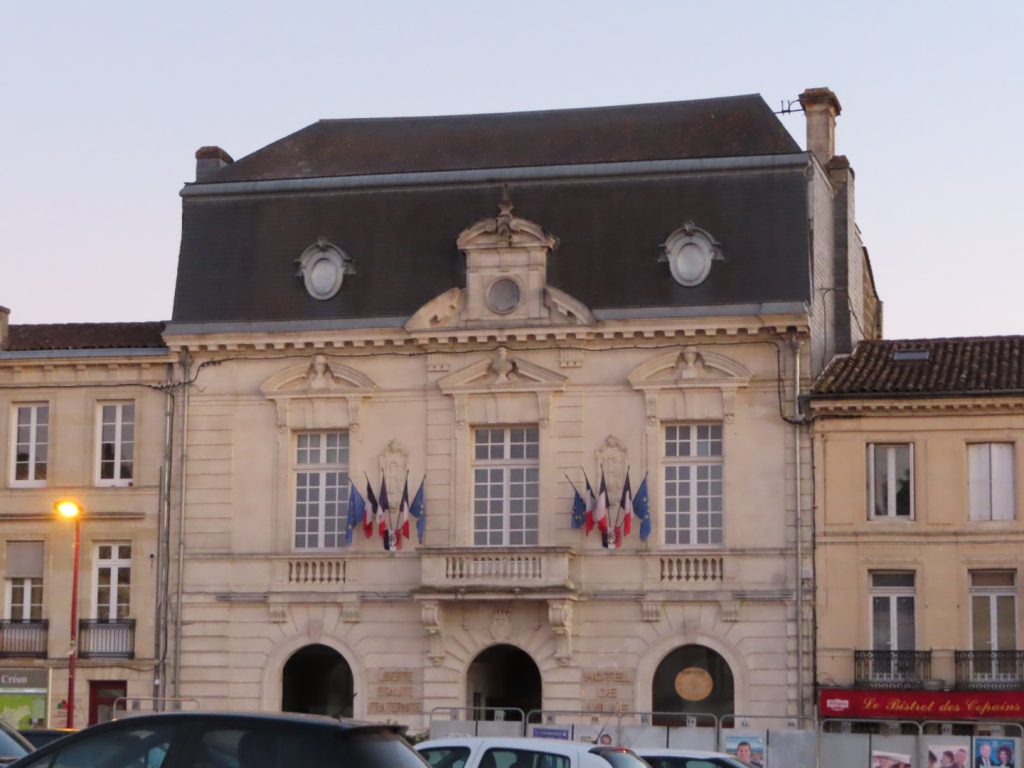
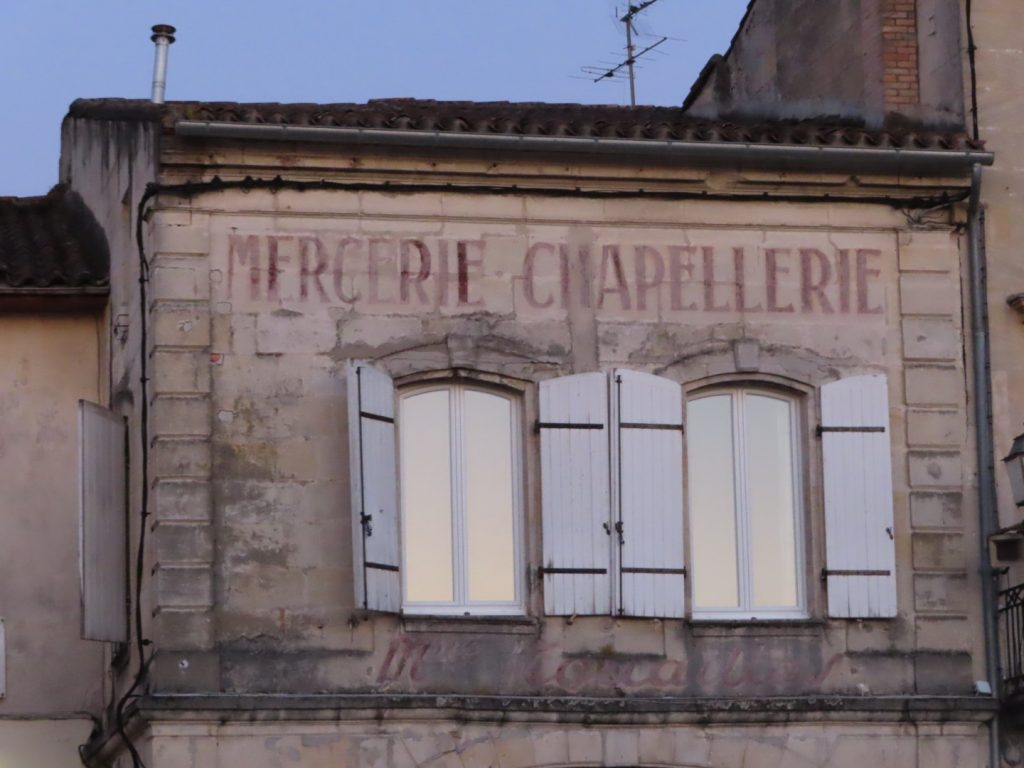
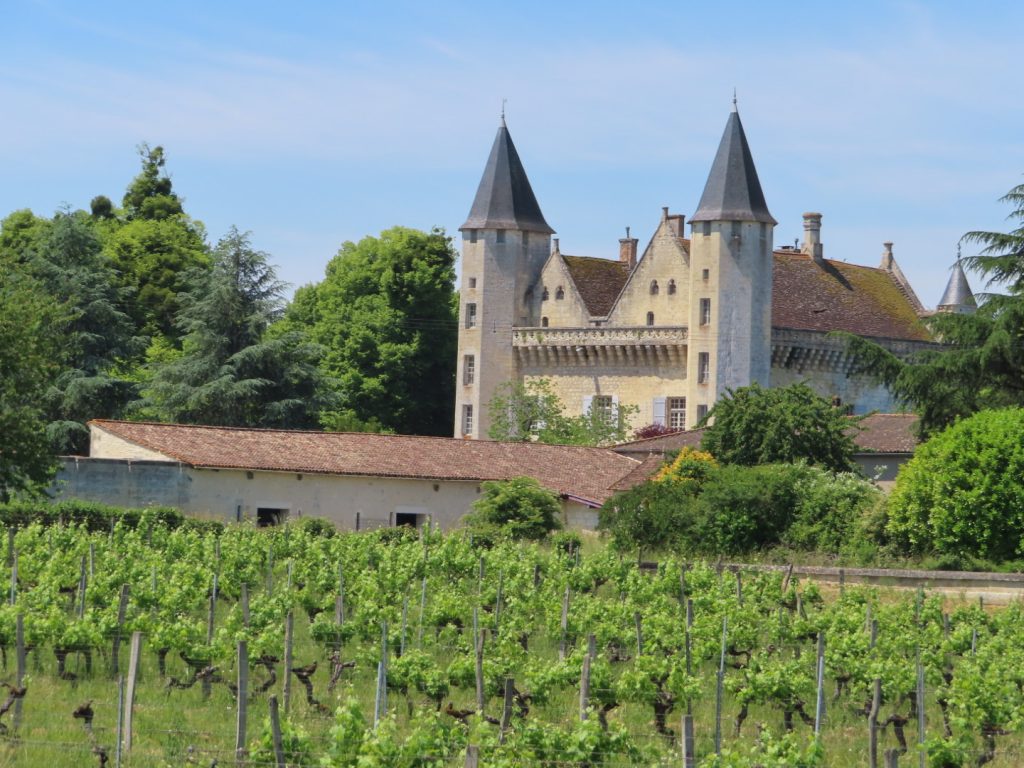
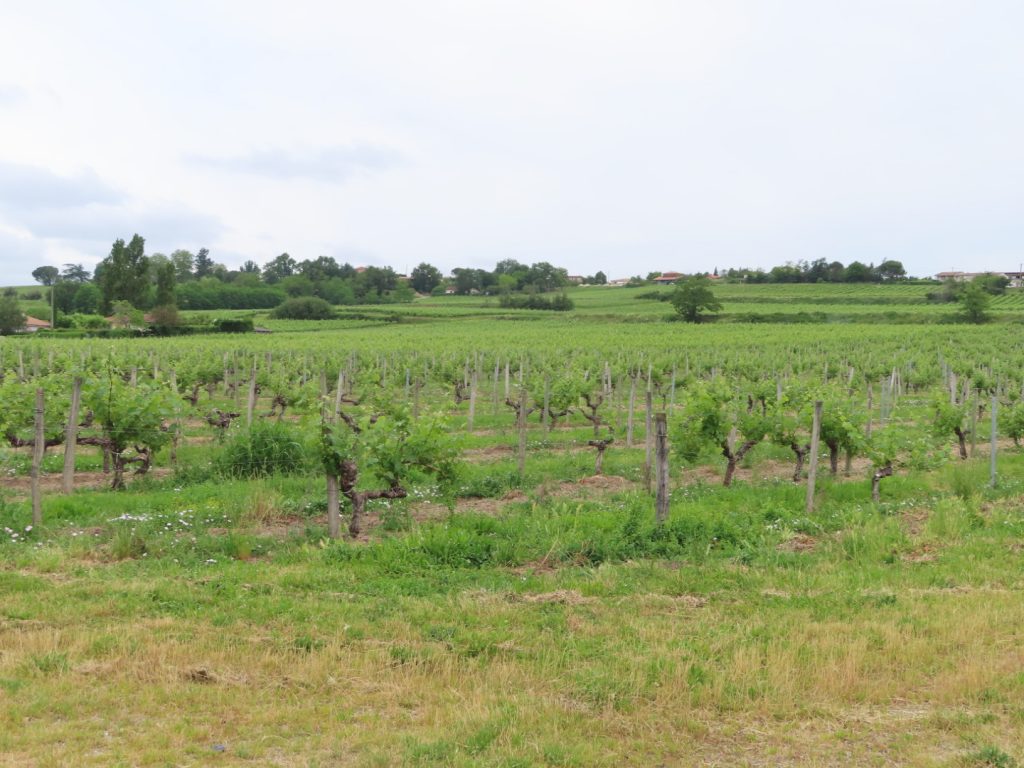
We spent a few days in the Entre-Deux-Mers wine region, yet another part of the vast Bordeaux wine region. This is a much more low-key area than the more vaunted Medoc and St-Emilion areas. It is filled with bastide towns and miles of vineyards, dotted with winery chateaus.
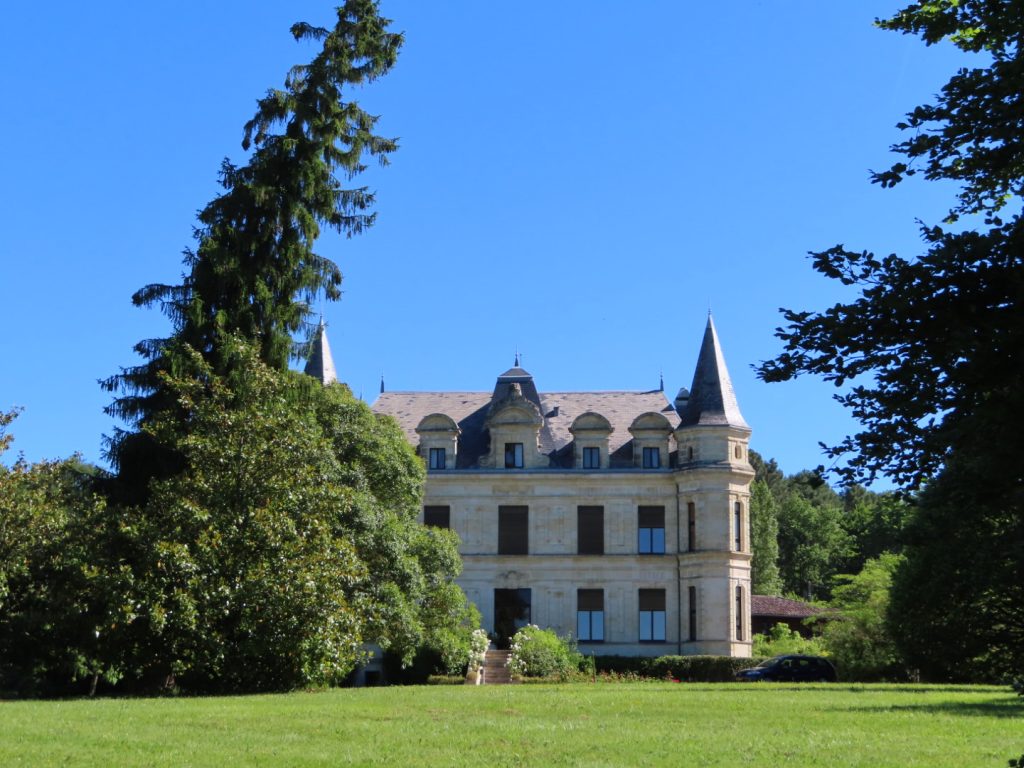
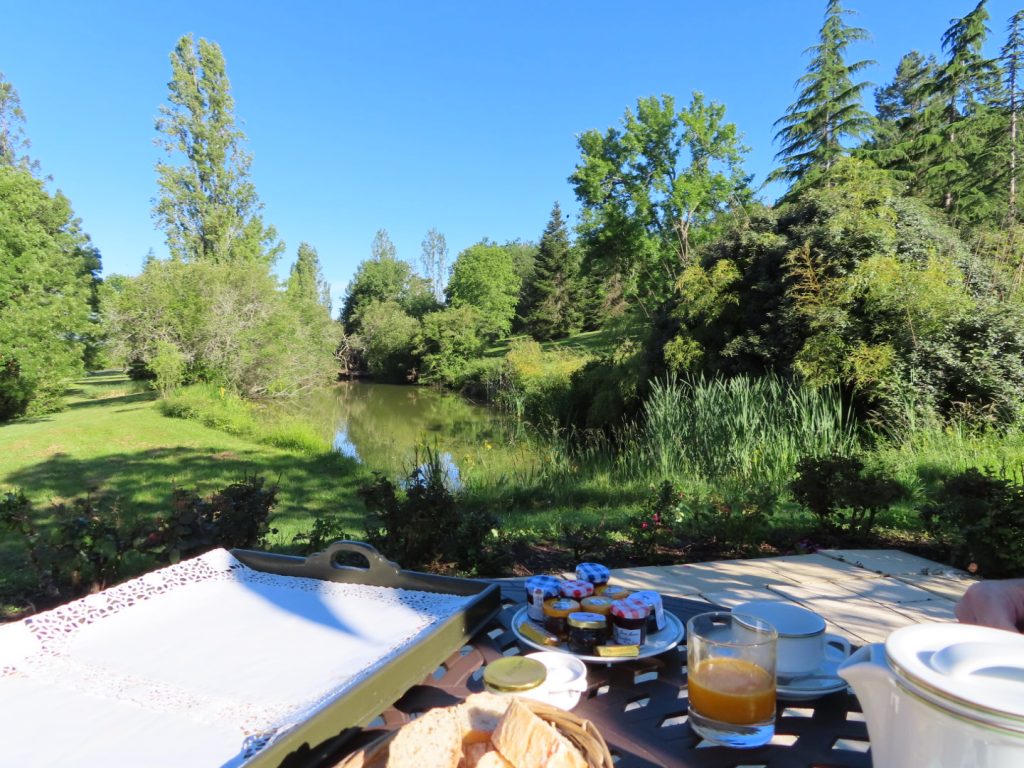
We stayed just outside the little town of Creon at an old chateau in pretty grounds. We pulled into our chateau hotel grounds, and then began a strange little saga. Though we had a confirmed reservation (fortunately, I had printed it off and had it in my hand), it took us the better part of an hour to find a human. And it was clear that the place was not open for the season yet. When the owner read my confirmation, which he had sent me, he agreed to let us stay. Our modest room in the annex was not ready for guests (nor were most rooms), so he said he would put us in a room in the chateau—“two upgrades” he assured me. So we found ourselves in a very unusual situation of having this place essentially to ourselves (plus a rather cantankerous owner). Strange indeed. It worked, but it was actually a rather stressful stay. A beautiful property, but at a bit of a price.
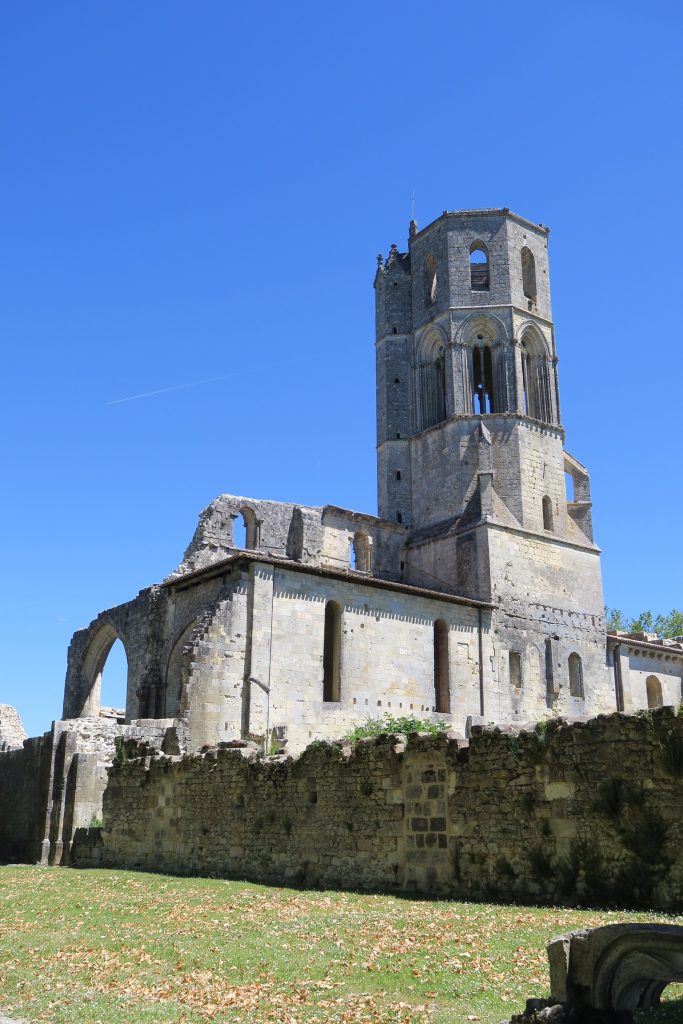
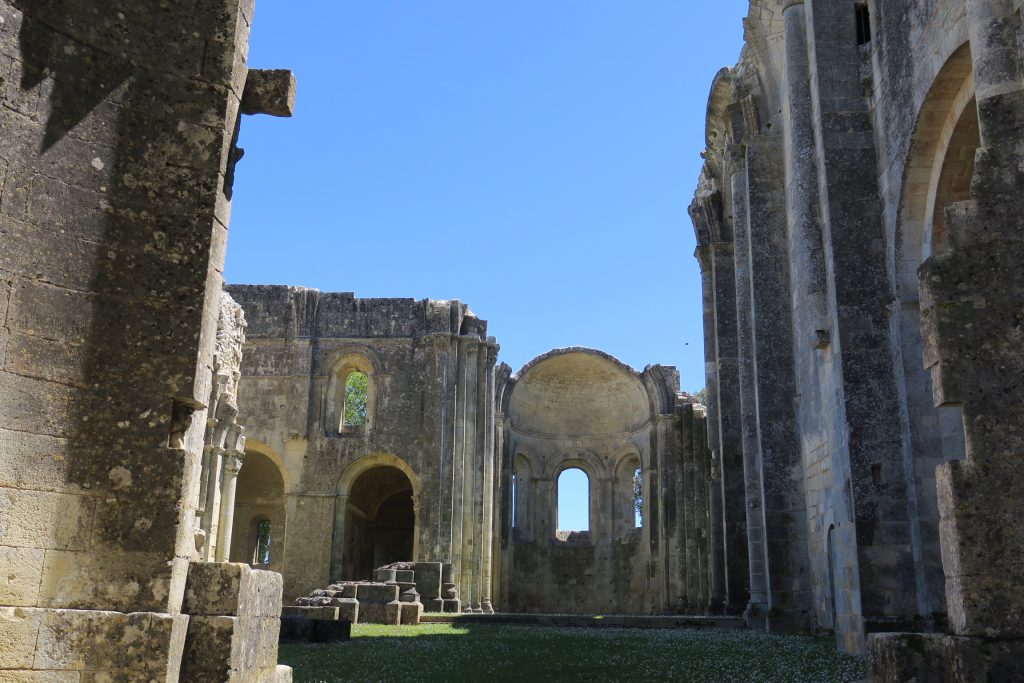
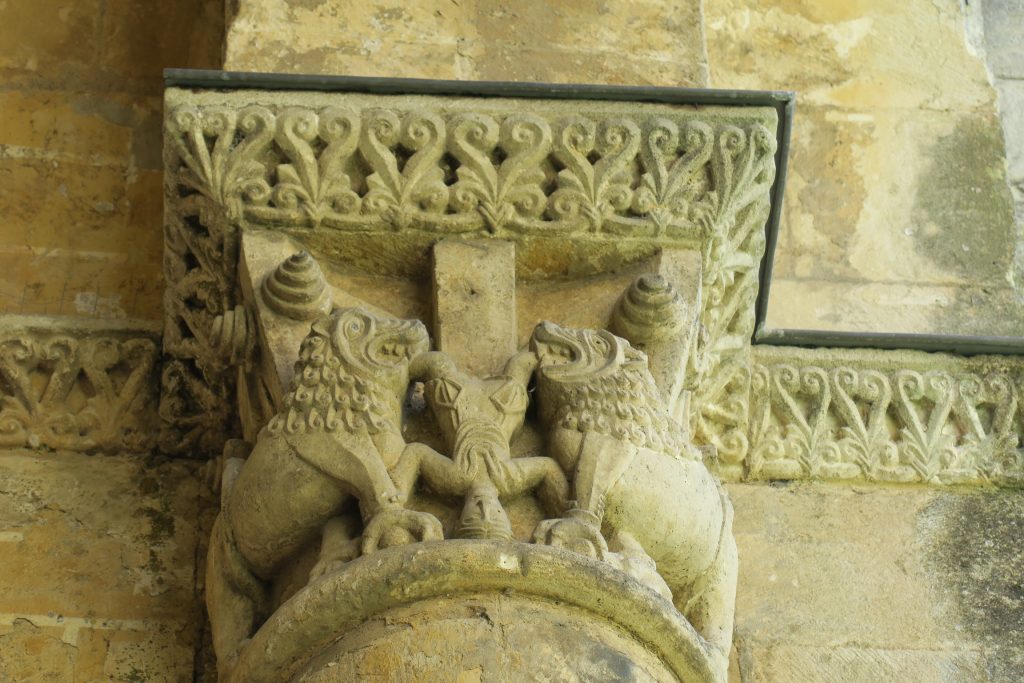
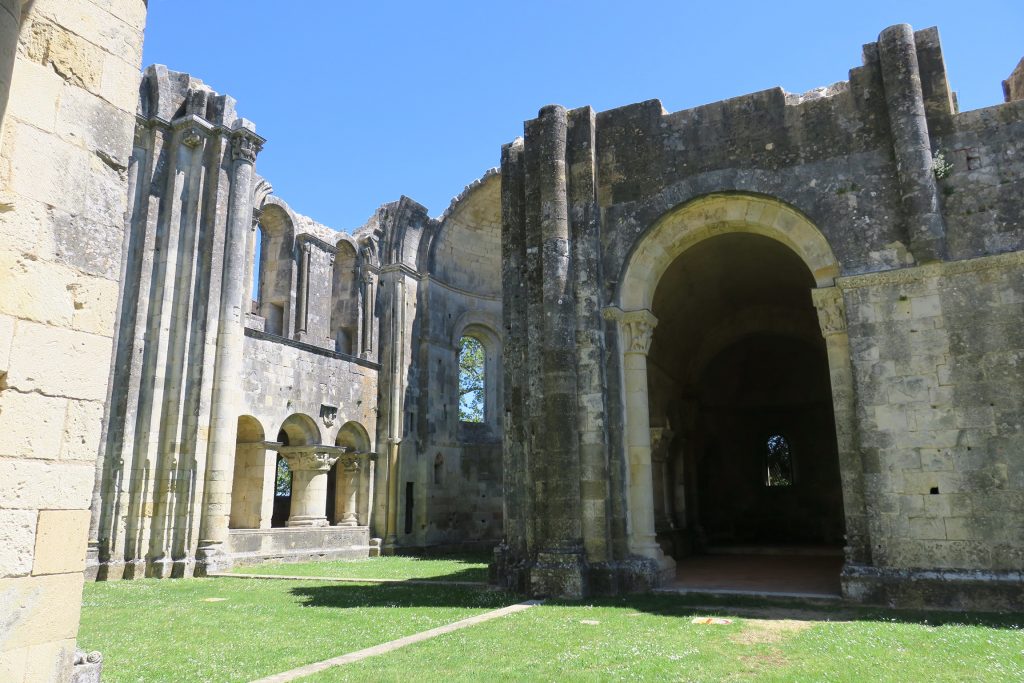
One of the highlights of our time in the Entre-Deux-Mers was a visit to La Sauve-Majeure, an old Romanesque abbey. It was built in the 11th to 13th centuries and is famed for its carved capitals relating stories from the Bible.
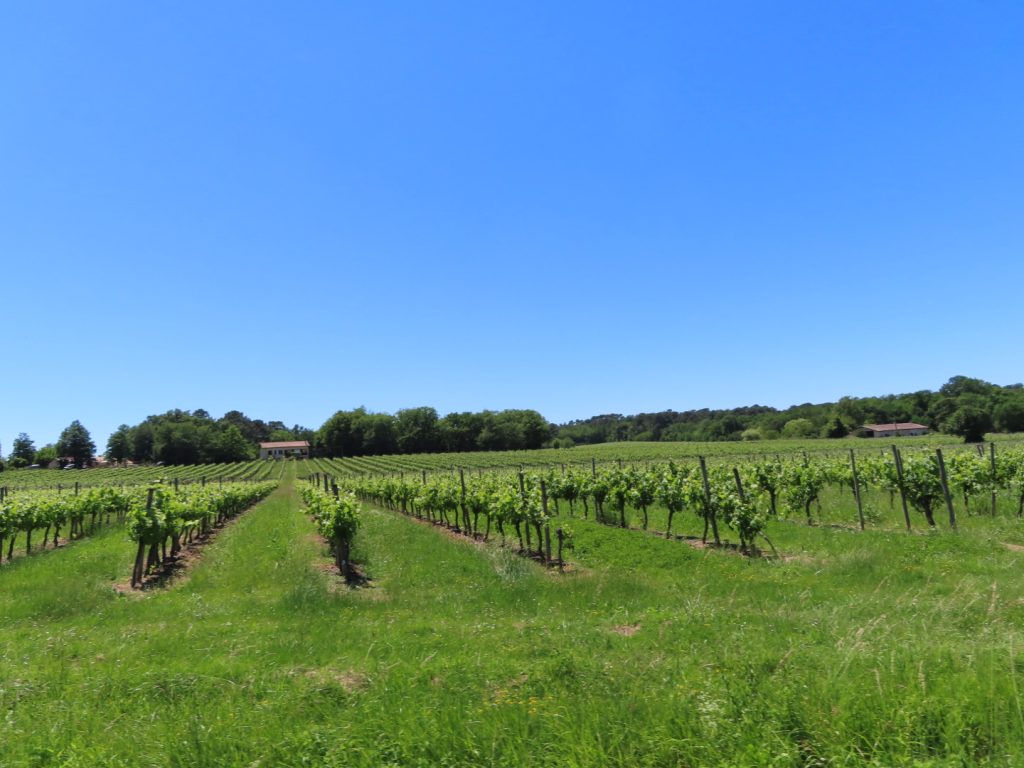
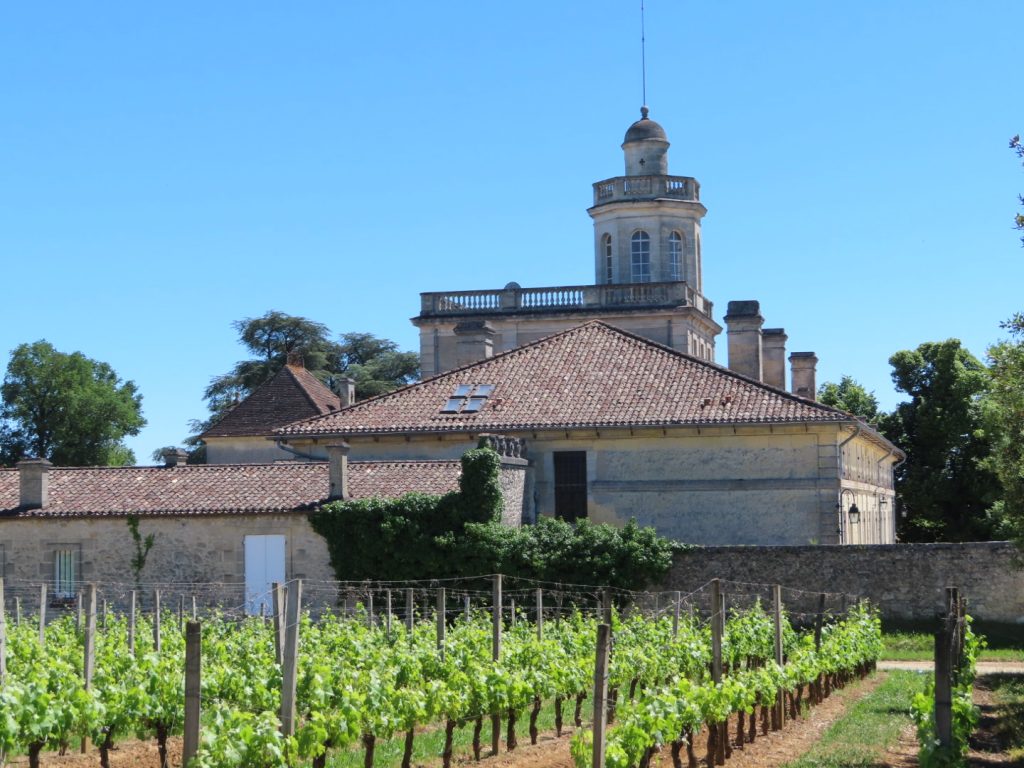
Entre-Deux-Mers, which means “between two seas,” in this case refers to the land area flanked on one side by the Dordogne River and on another by the Garonne River. We saw lots of vineyards and vineyard chateaus. We weren’t doing any tasting (except with our dinners), but enjoyed getting a feel for the setting.
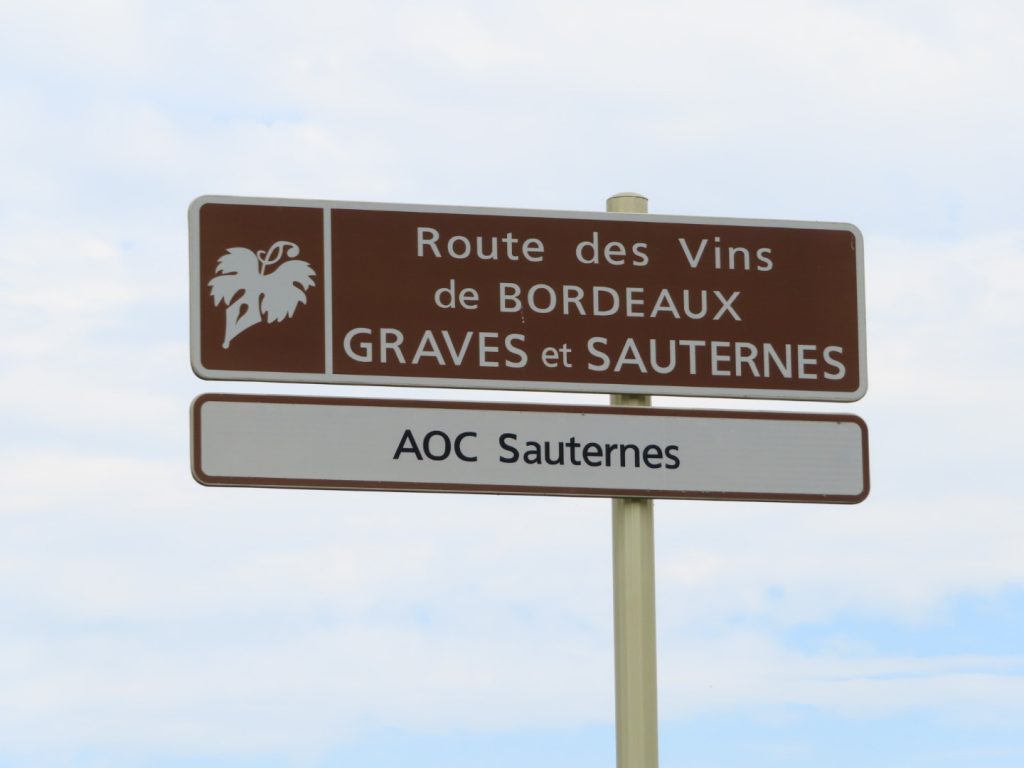
Monday to Thursday, June 3 to 6–Sauternes, Graves, and Pessac-Leognan
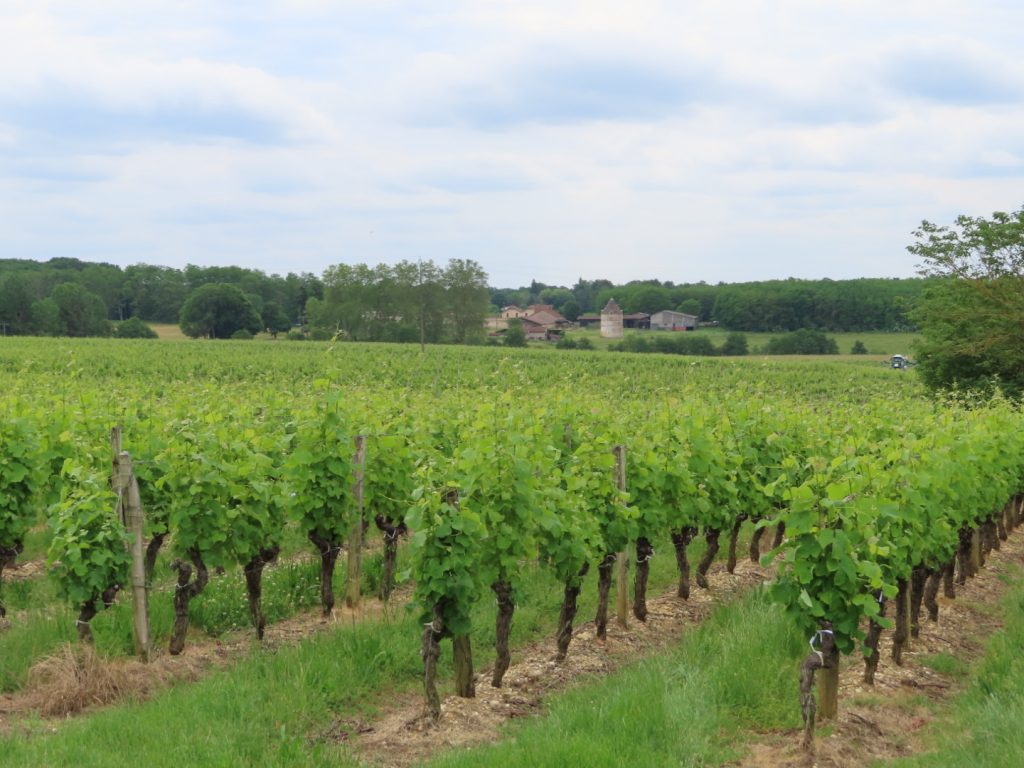
We next headed for a brief stay in the Sauternes region. Again, our focus wasn’t tasting but seeing the region.
Right off the bat, we bumped into Chateau d’Yquem, the premier Sauternes winery. Pretty place.
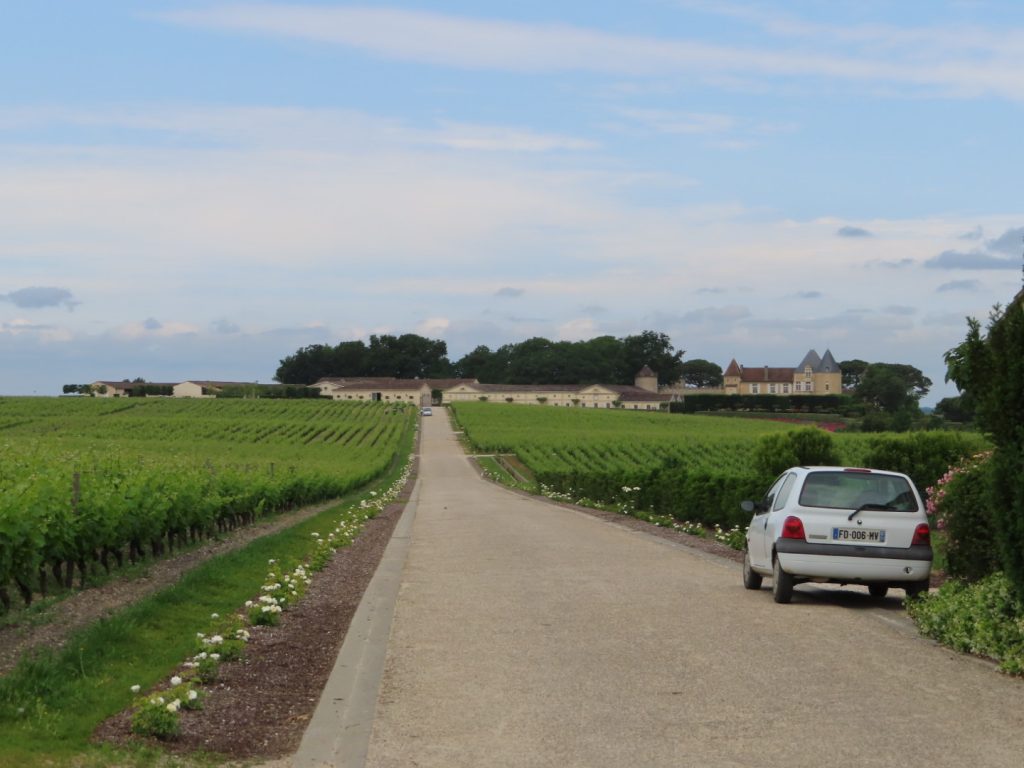
We stayed at a pretty little chateau that overlooks the town of Sauternes. A very nice stay.
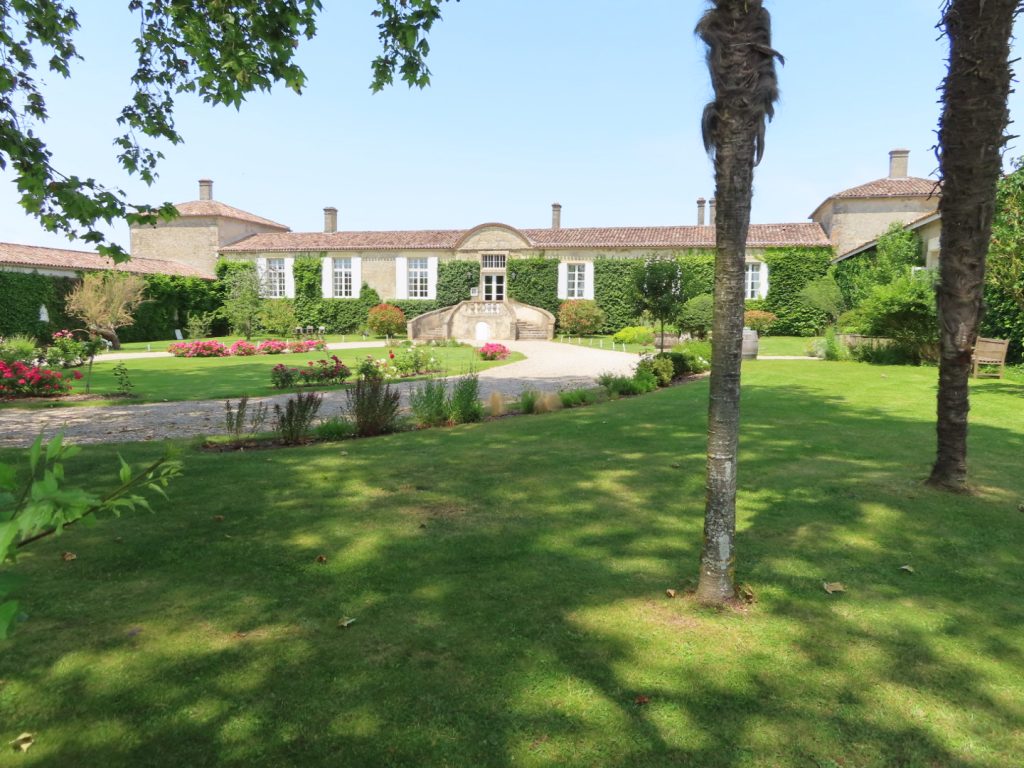
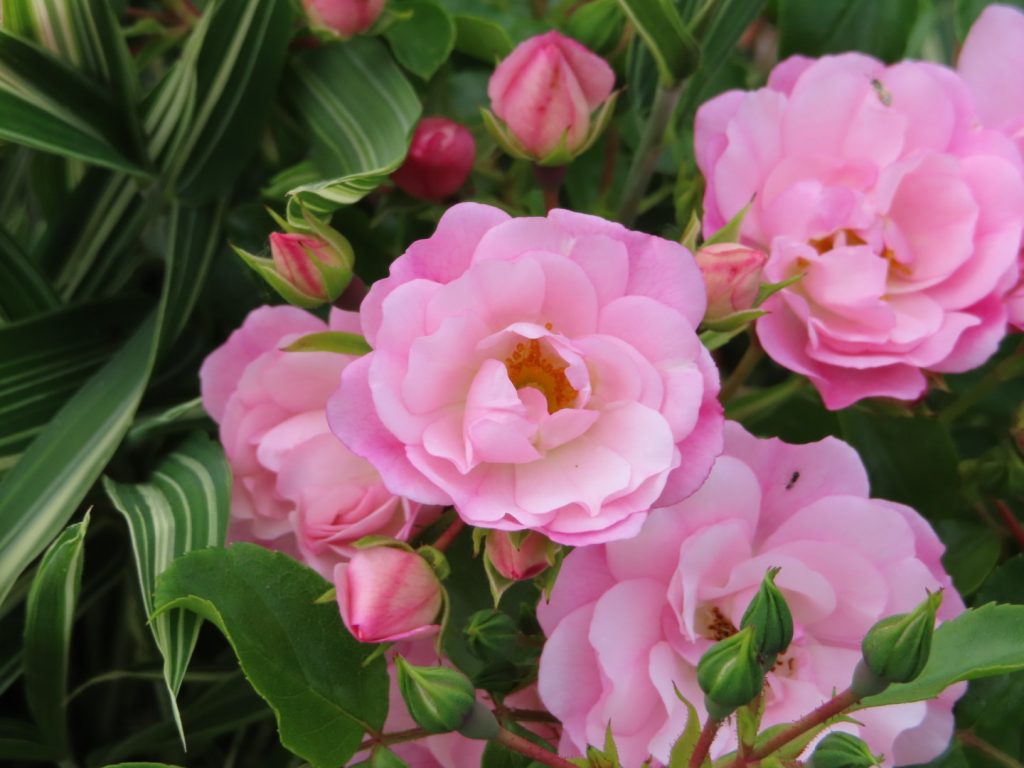
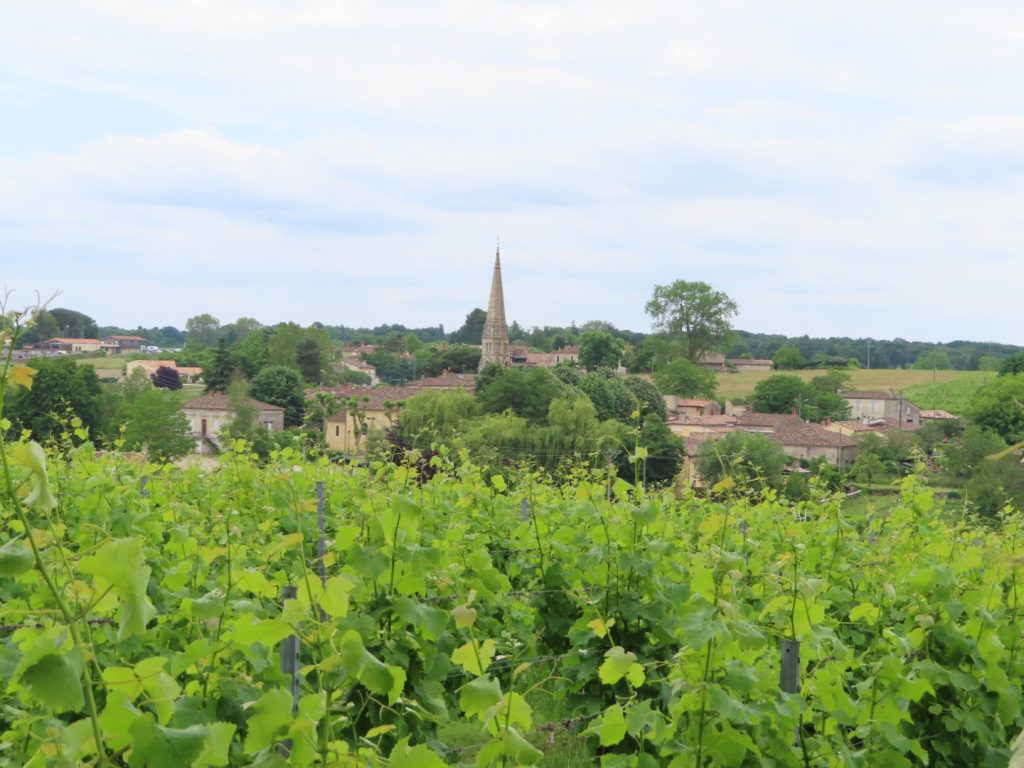
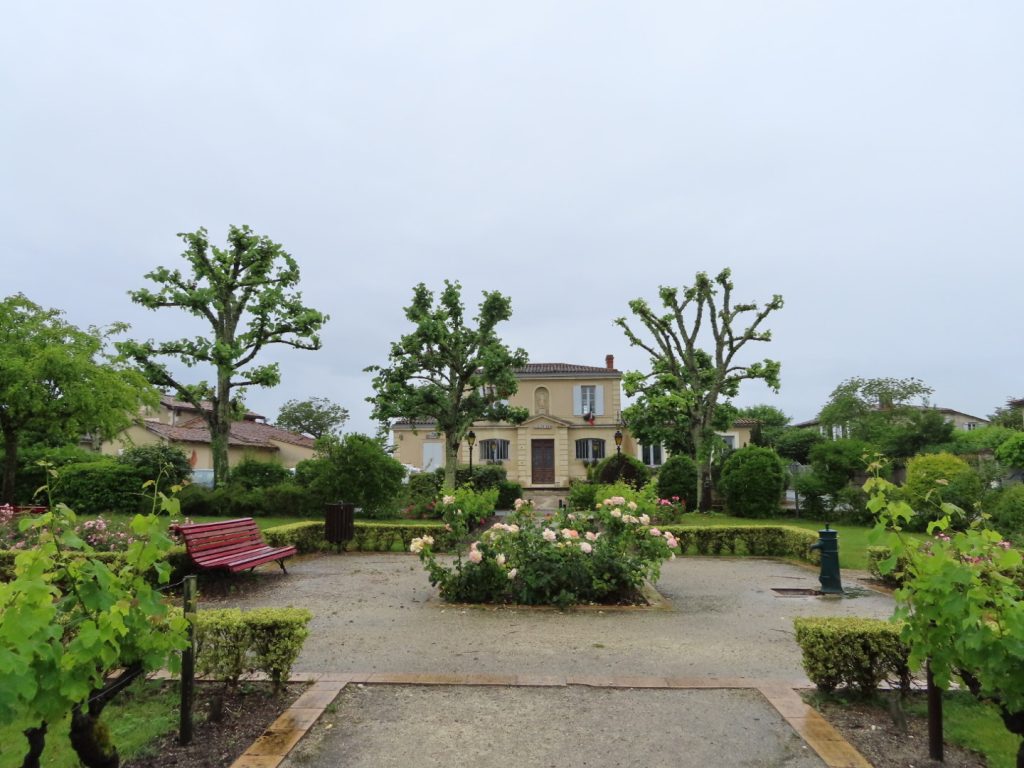
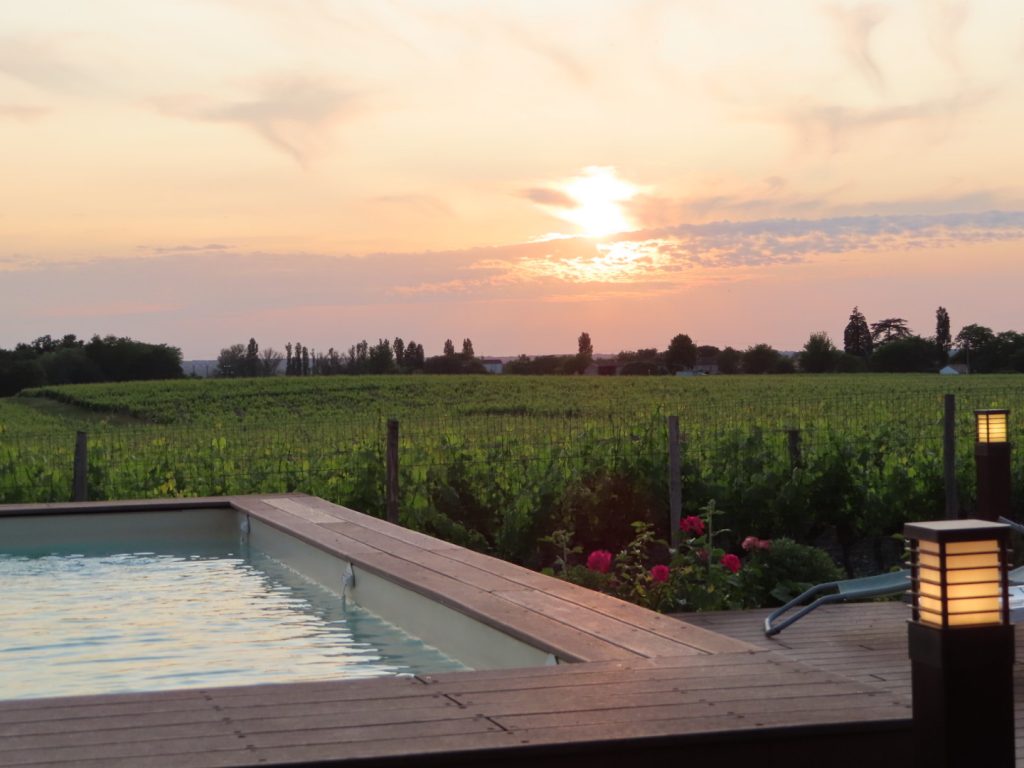
Our first night, which was when we were having temperatures in the 90’s, we had dinner at a farmhouse B&B. We were right on the edge of the vineyard and had chickens crowing periodically. The husband was our chef (and sometime server), and the wife was our primary server. Such a pretty evening. It was so idyllic we felt like we needed to pinch ourselves.
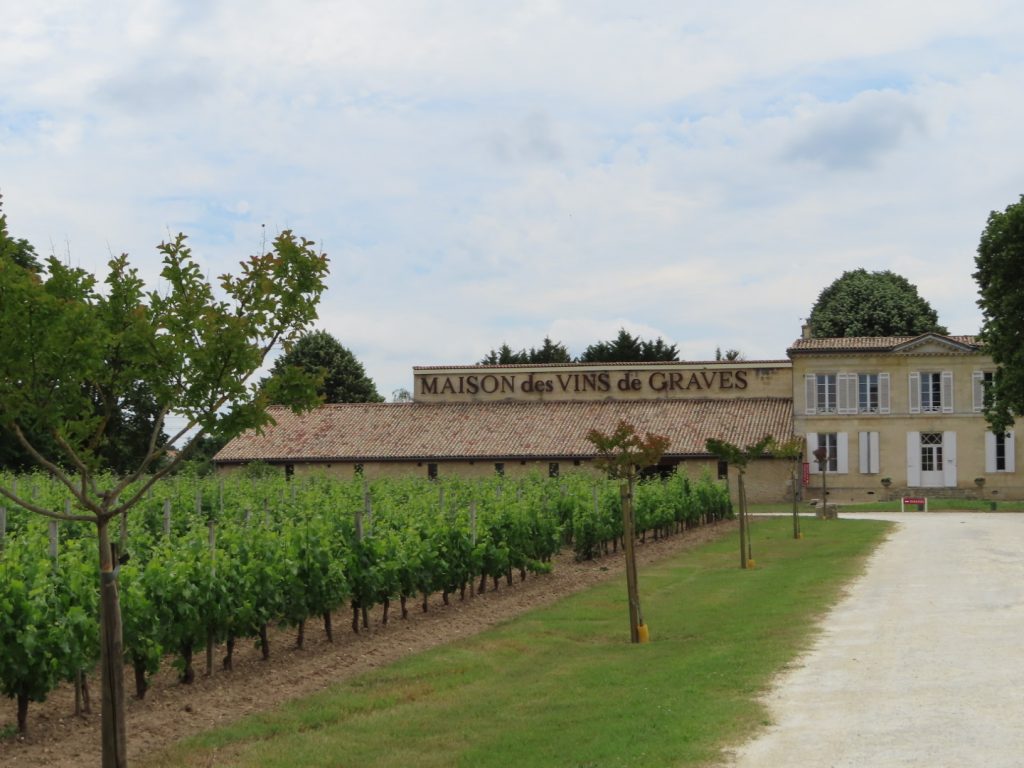
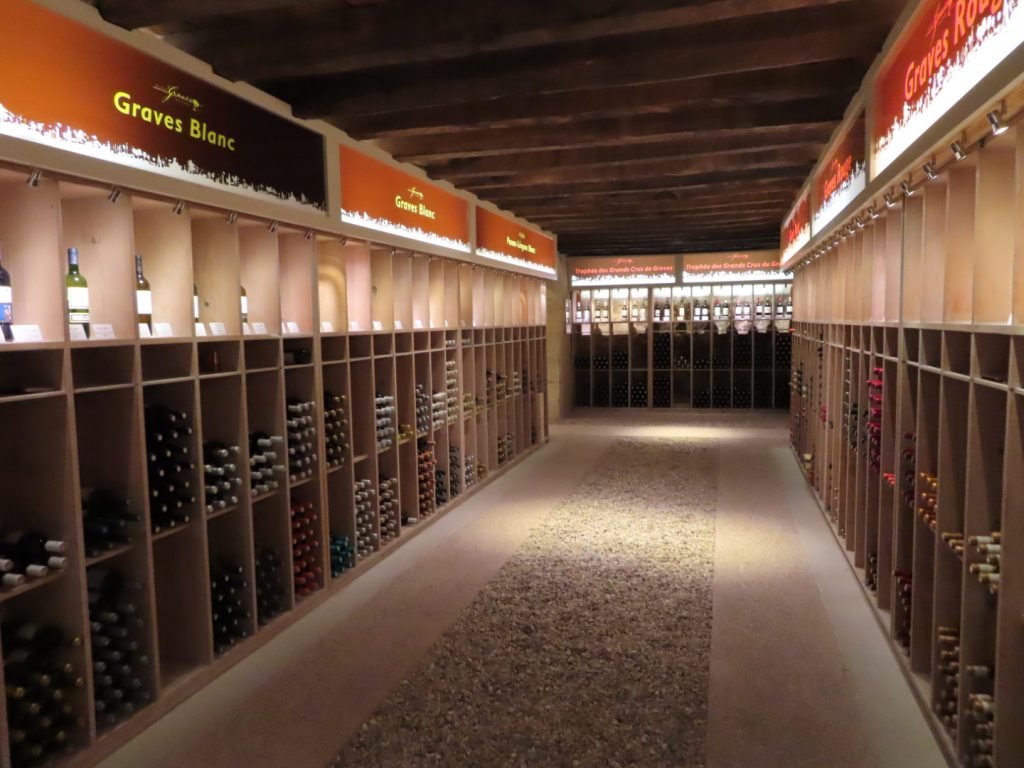
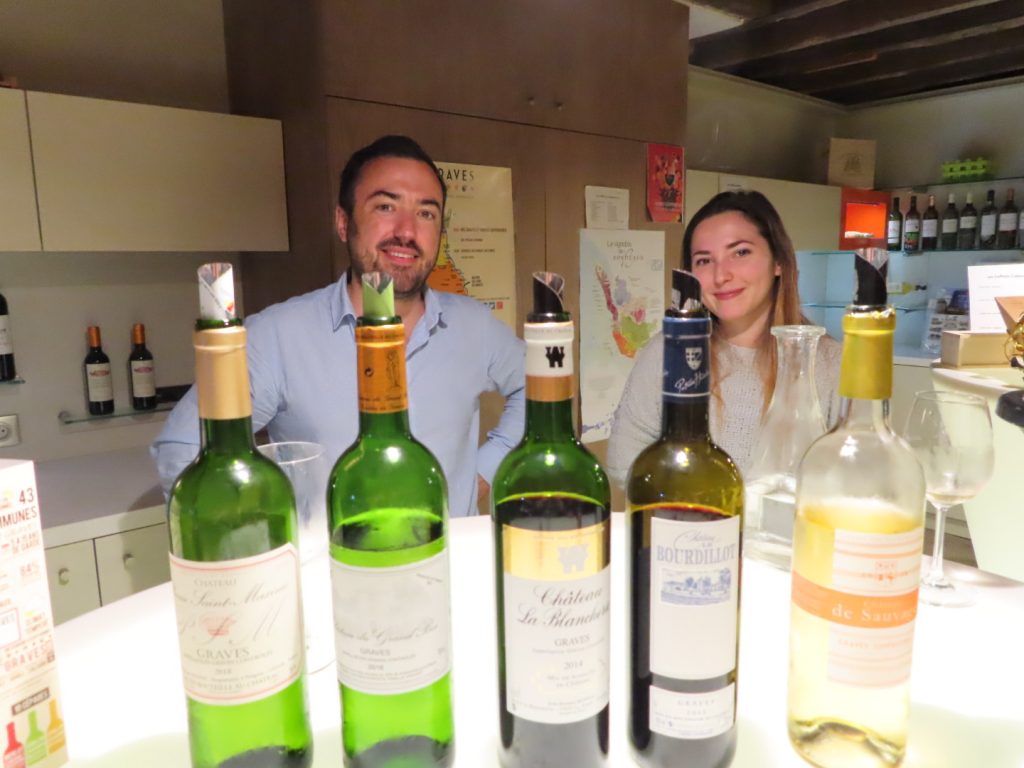
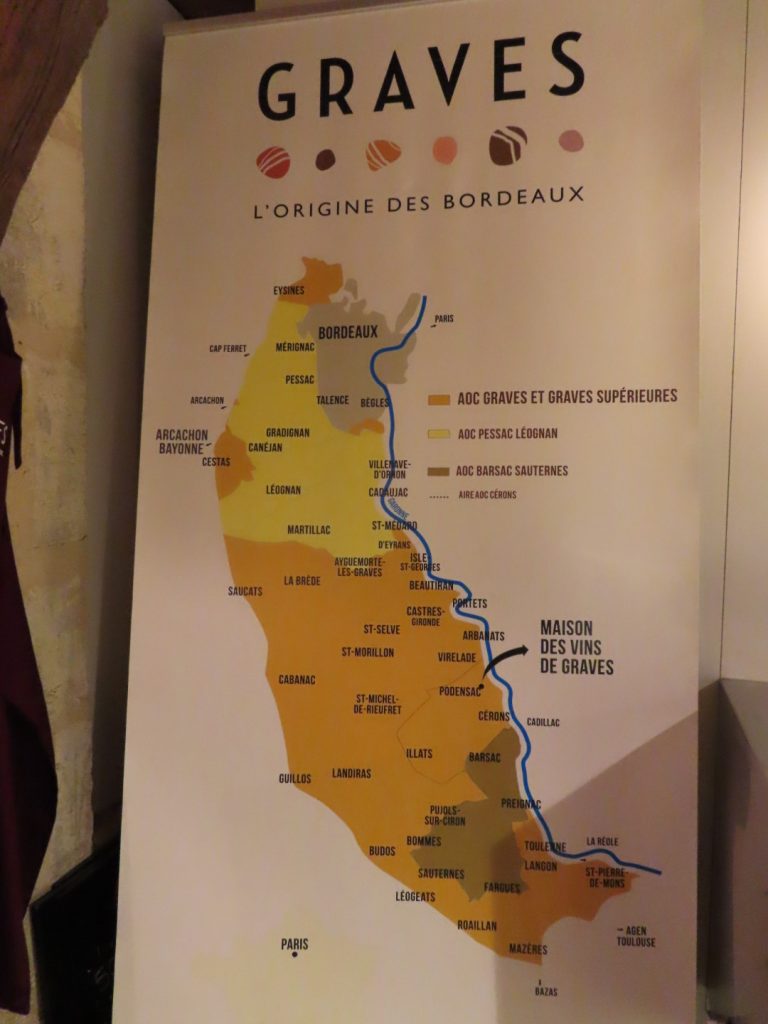
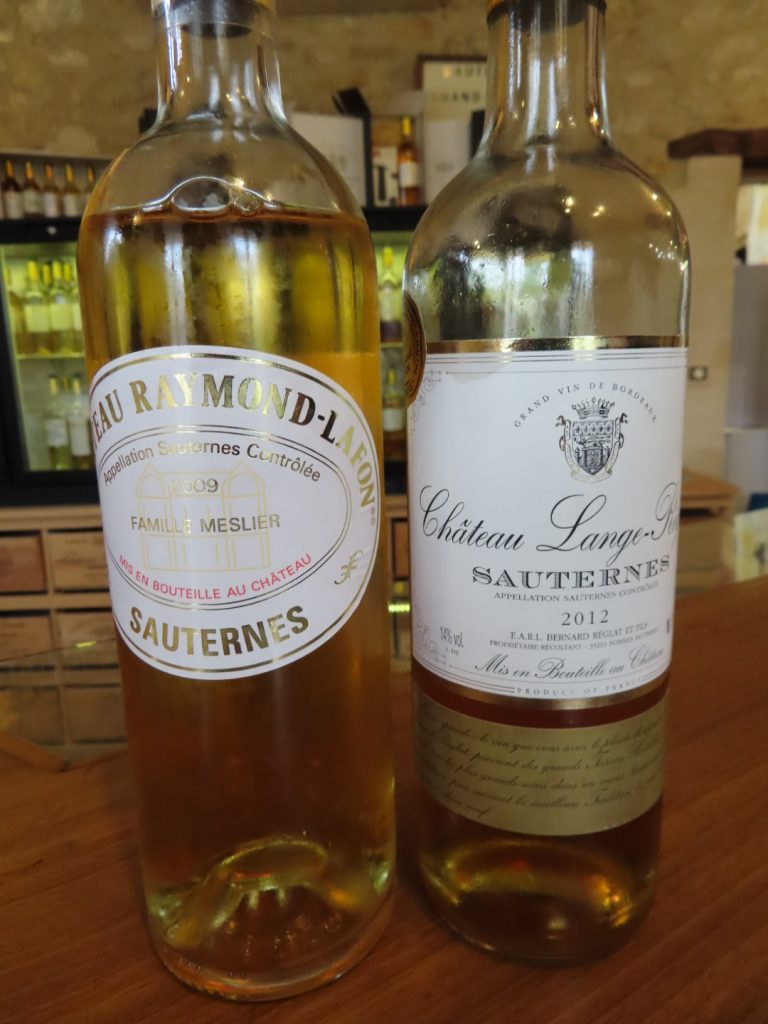
On Tuesday, we drove through the Pessac-Leognan area and on to the Graves region—both favorite wines. We stopped at the Maison du Vins for Graves. We have found these helpful places all over Bordeaux. They are supported by the local producers. You can get information, shop for wine, and get free tastings.
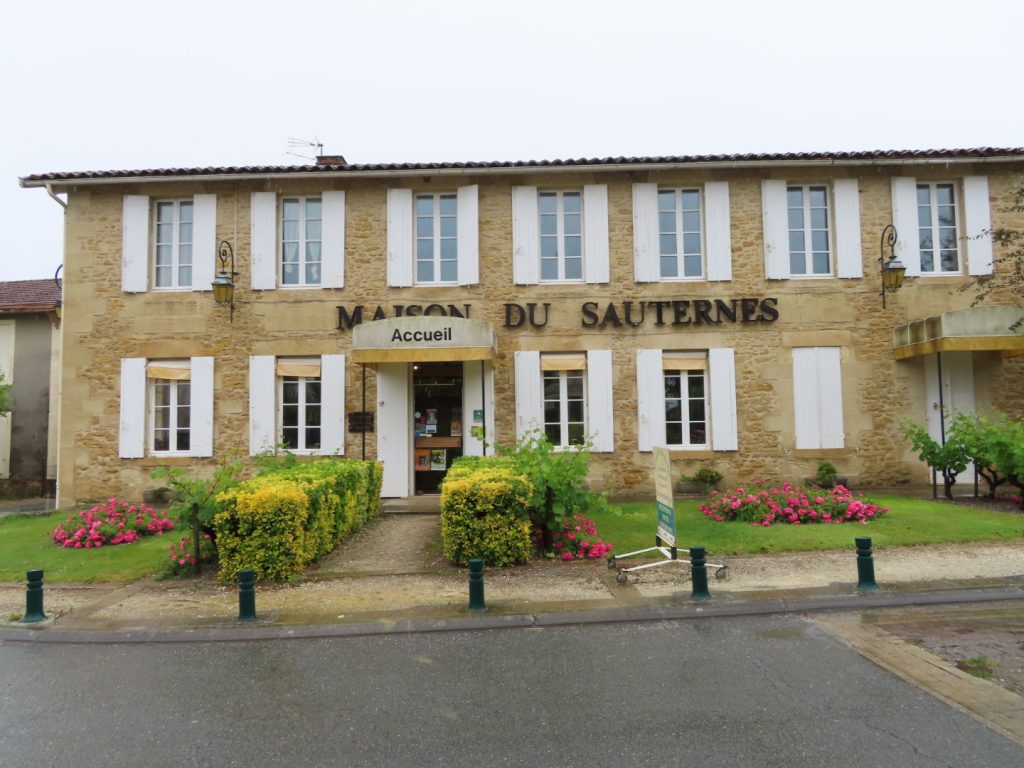
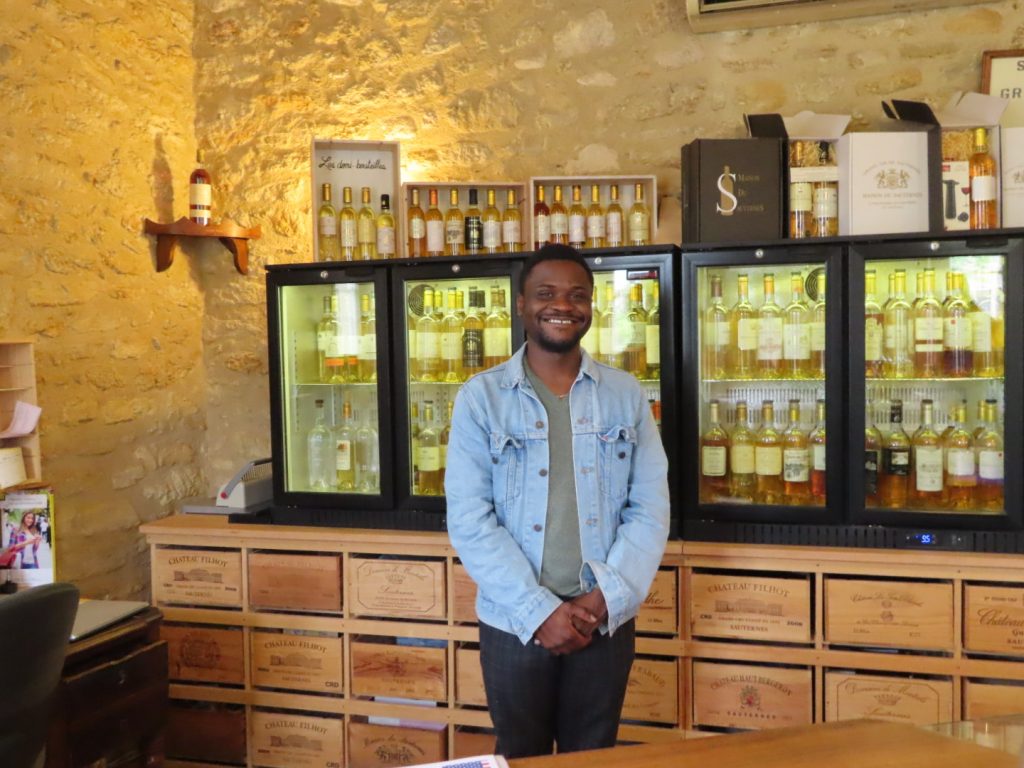
On Wednesday, we focused more on Sauternes. It was raining really hard, so we truncated some of our planned route. No reason not to visit the Maison du Vin for Sauternes, though.
Our time in Bordeaux and the Dordogne has come to an end. We’ve revisited some places we’ve been before, and we’ve seen many new places. We’ve seen lots of history and beautiful countryside. We’ve had hot, sunny days and days of pouring rain. All in all, it has been quite a wonderful trip. And we got to share a bunch of it with our special companions, Jill and Randy. What a time we’ve had! A bientot (until later), France.
A Drive in the Eastern Dordogne
Thursday, May 30
This was our last day in the Dordogne and our last day of touring before Jill and Randy had to return to Portland. The weather as good, so we had decided to take a drive in the eastern Dordogne, following a Rick Steves recommended route.
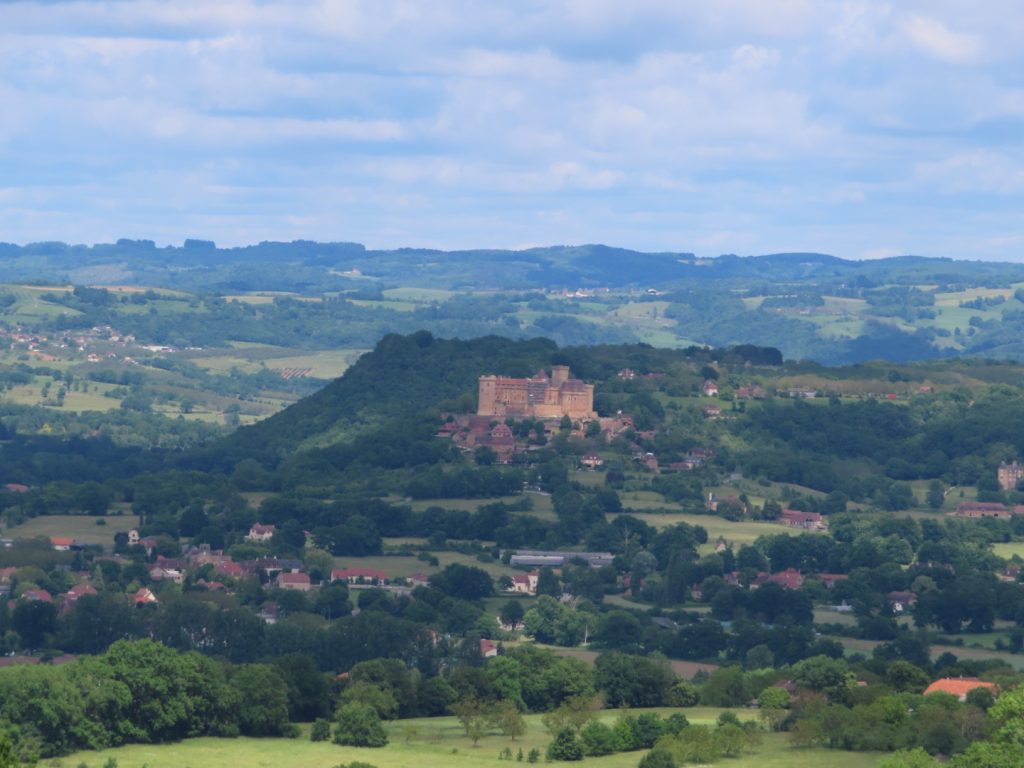
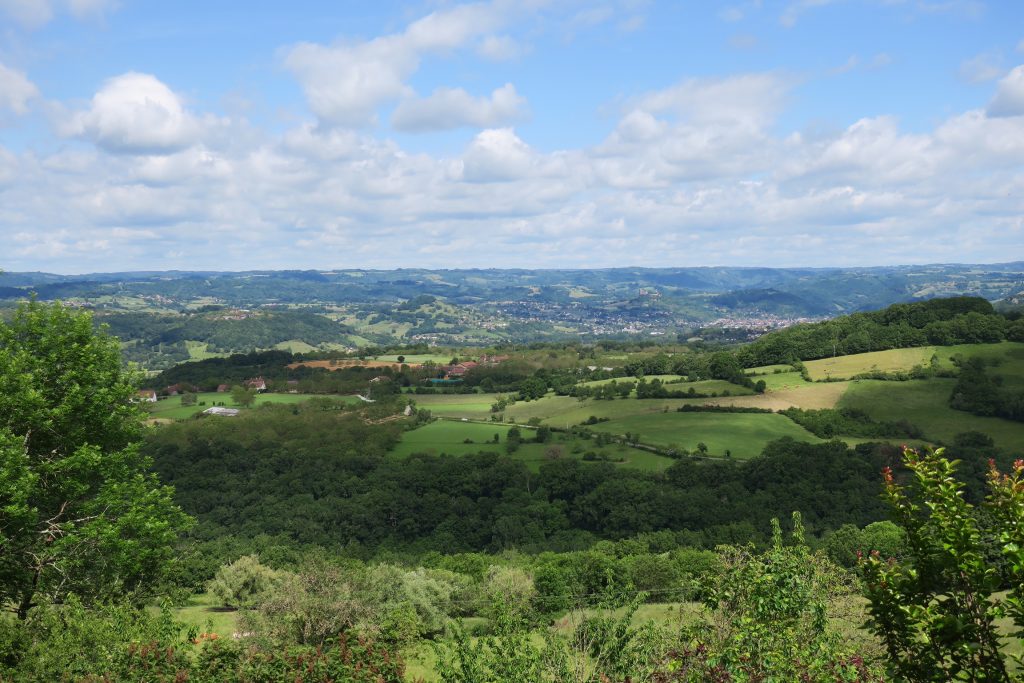
As we found when visiting Domme, Marqueyssac, and Beynac, the Dordogne is a region filled with pretty views. We lost track of the number of times we exclaimed over the gorgeous views of the valleys and cliffs. And this day’s drive did not disappoint us. Everywhere there were views to the valleys or the hills, dotted with villages, castles, and farms.
Martel
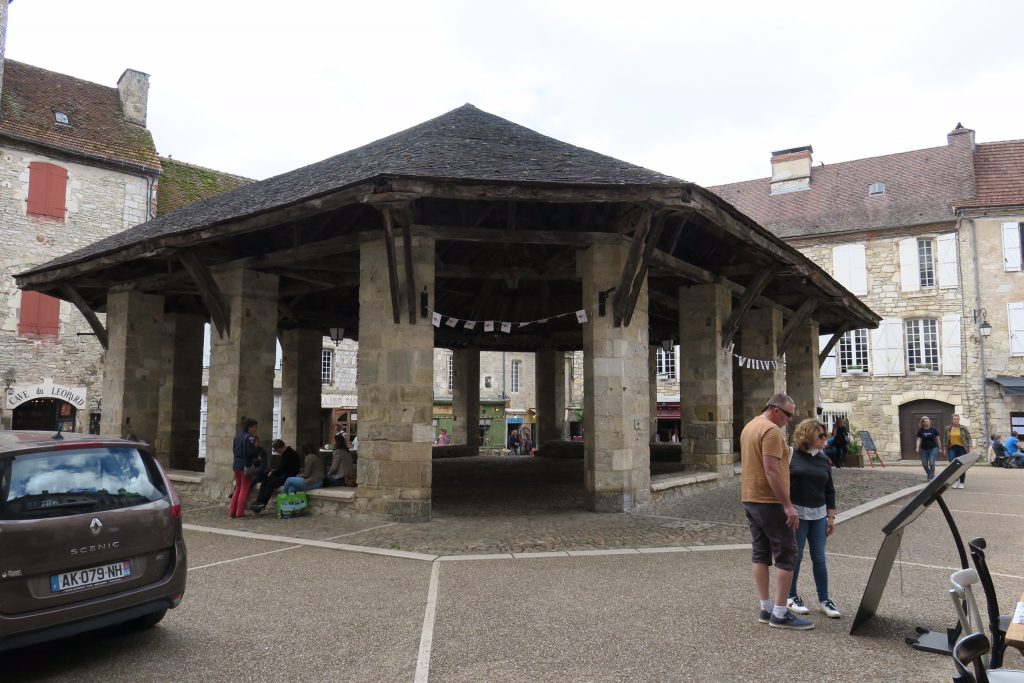
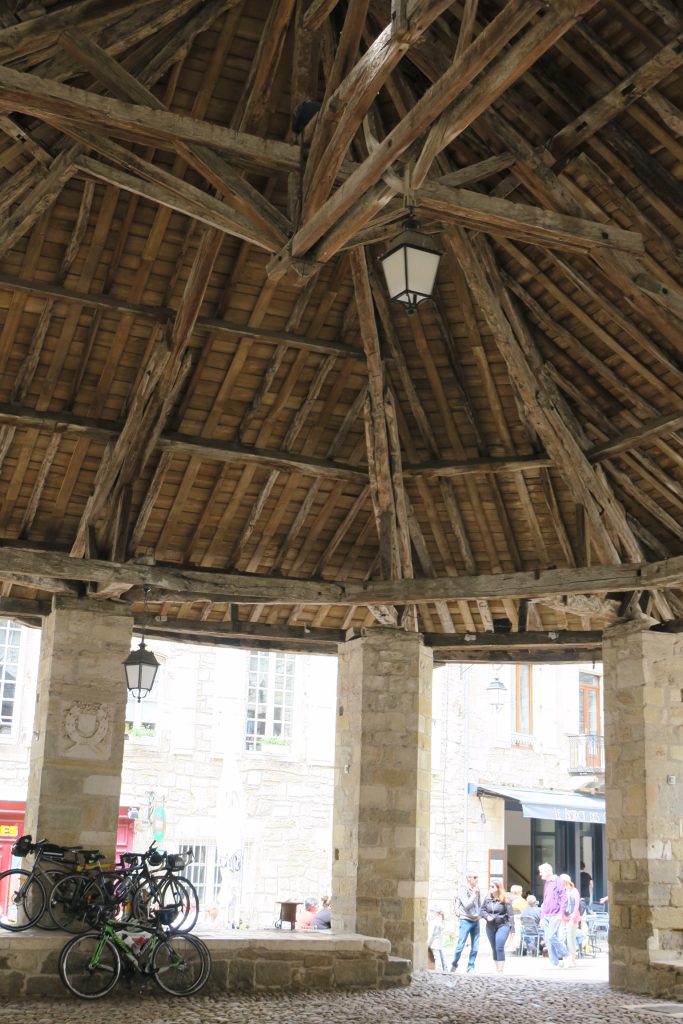
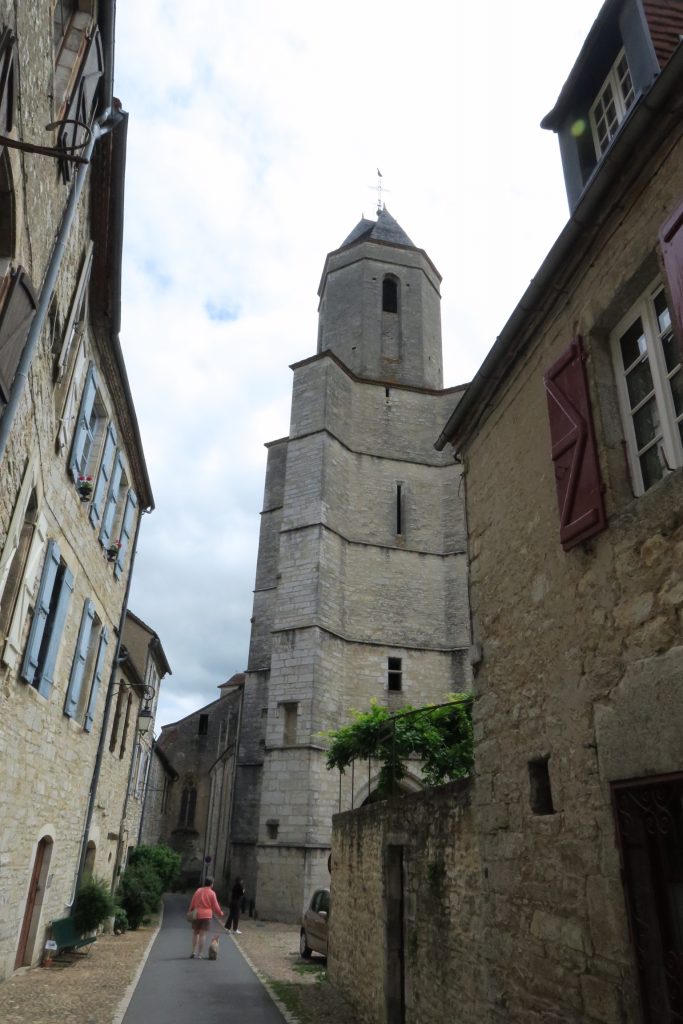
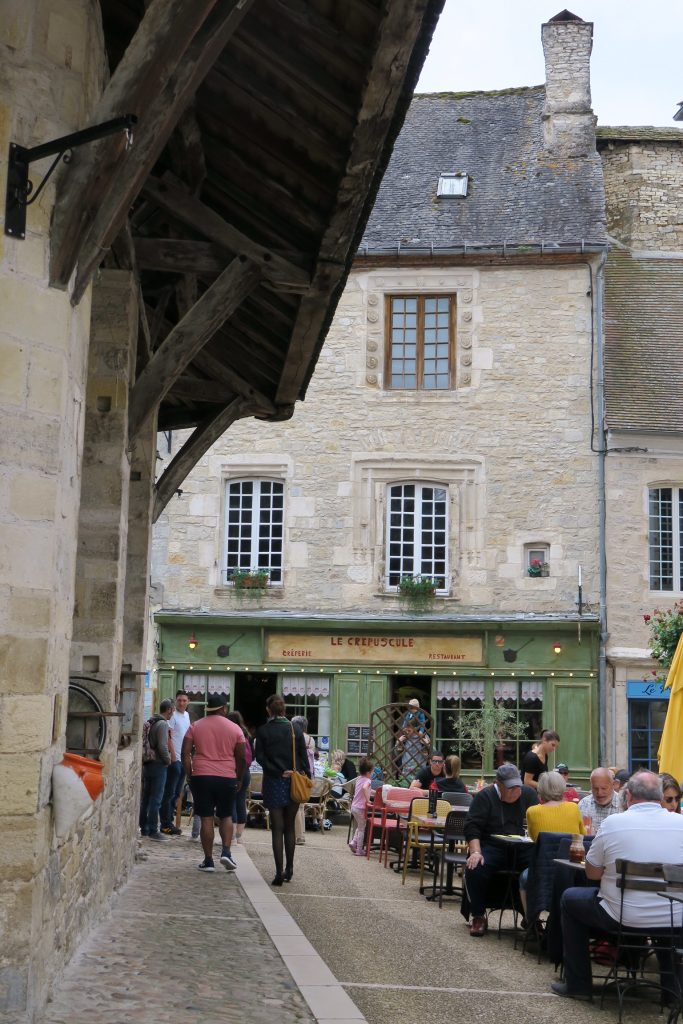
Our first stop on the driving loop was Martel. We had visited this town briefly in 2012, mostly to see the ancient covered market and because it was on our way to Rocamadour. Rick Steves calls Martel a “well-preserved medieval town” and says it is overlooked by tourists because it is neither on the river nor on a scenic site. Well, not so overlooked on this Ascension holiday. There were people everywhere. Still, it was an attractive town to wander.
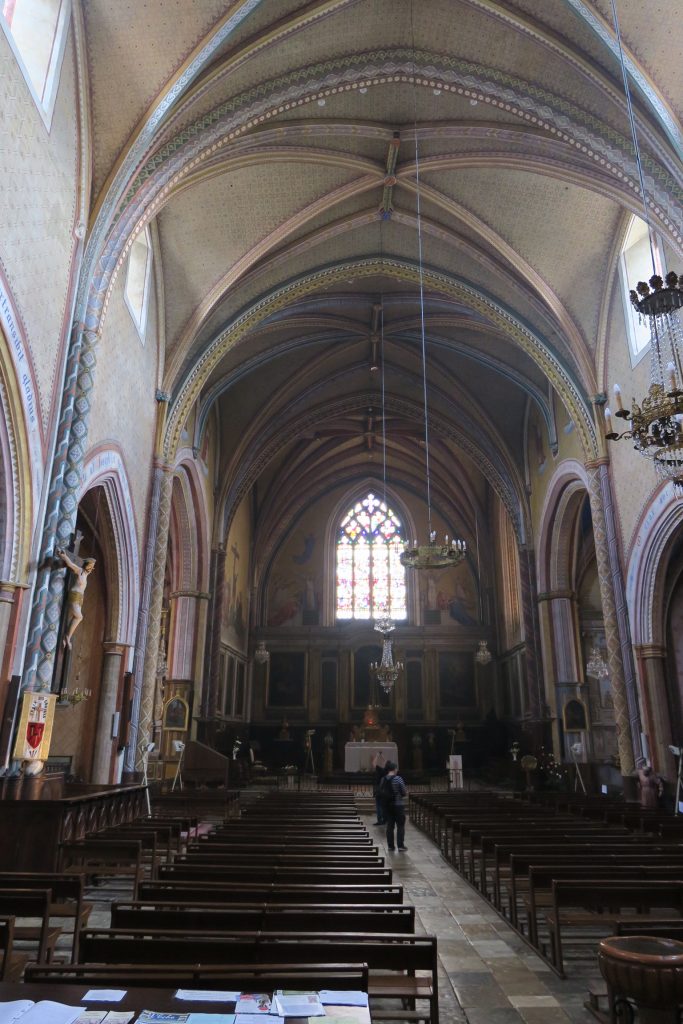
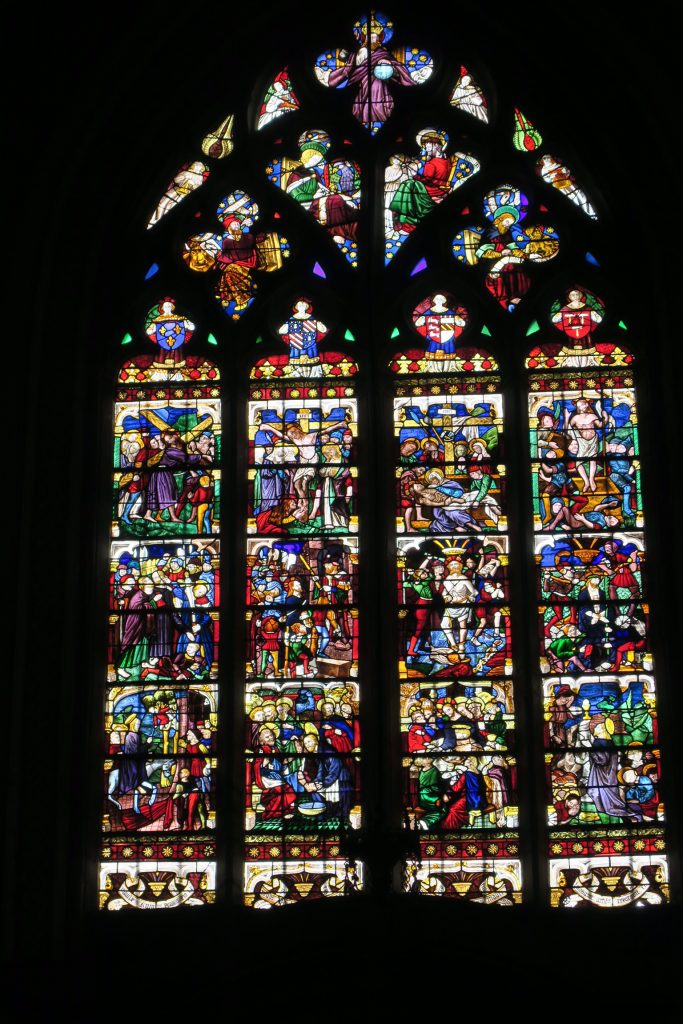
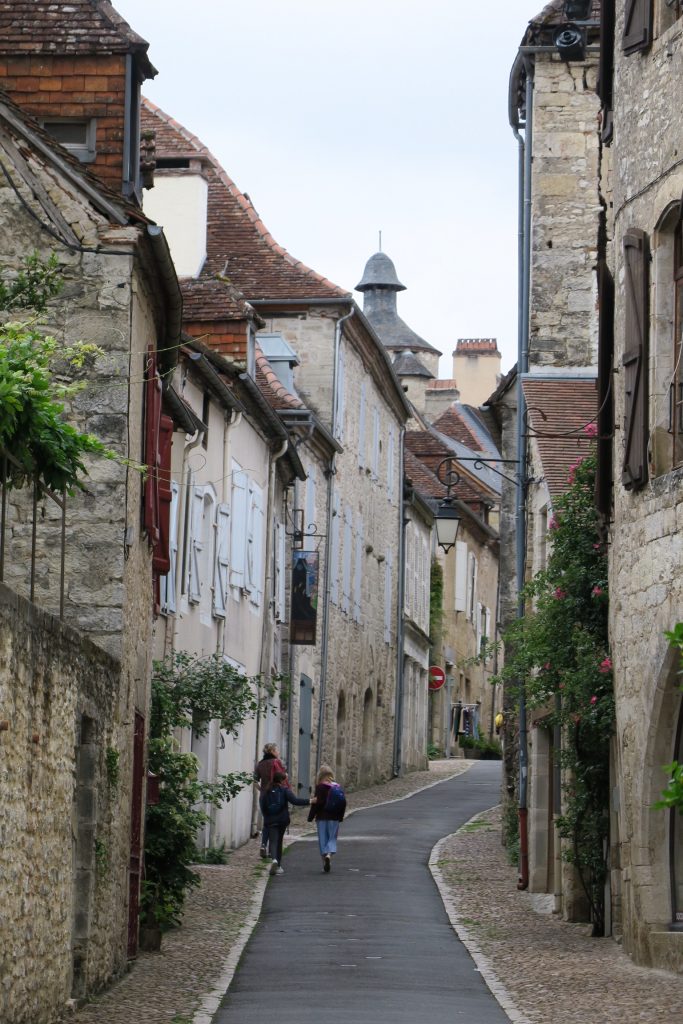
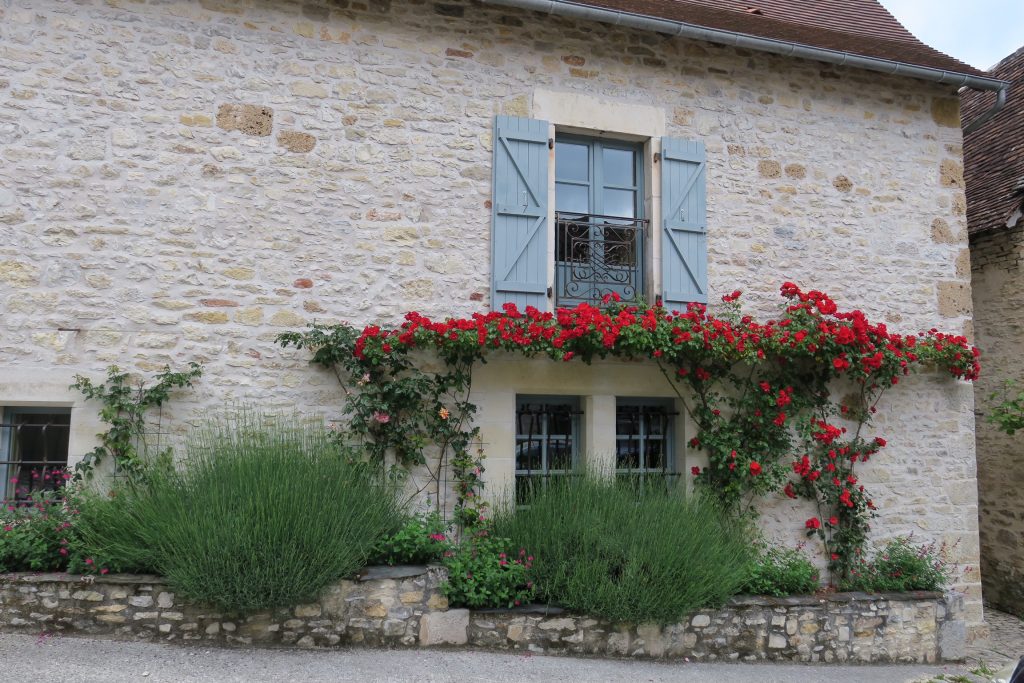
Carennac
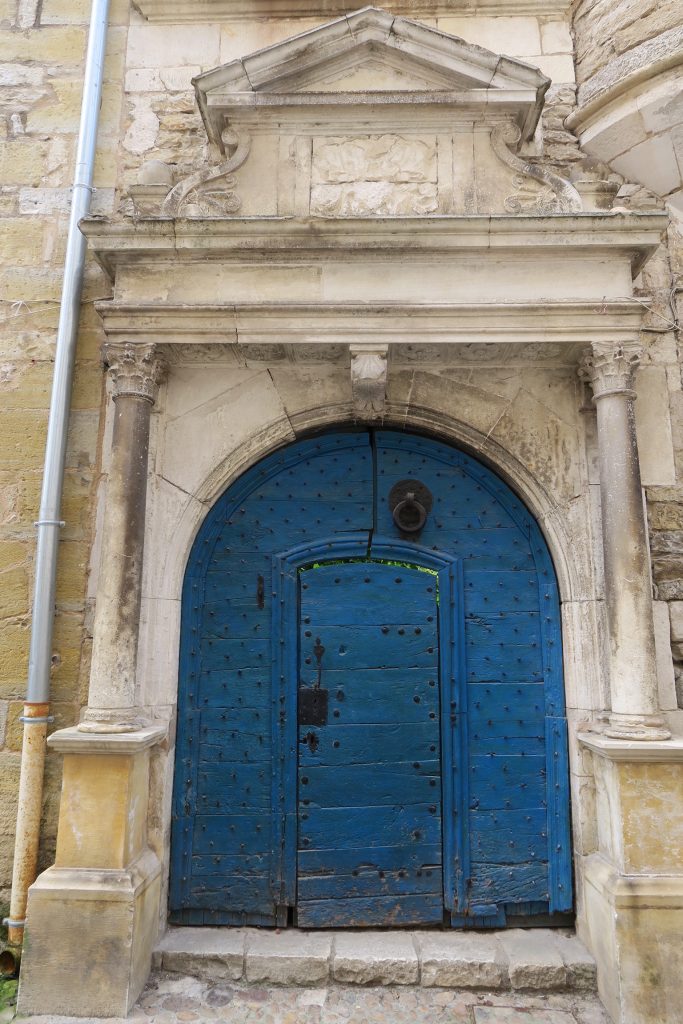
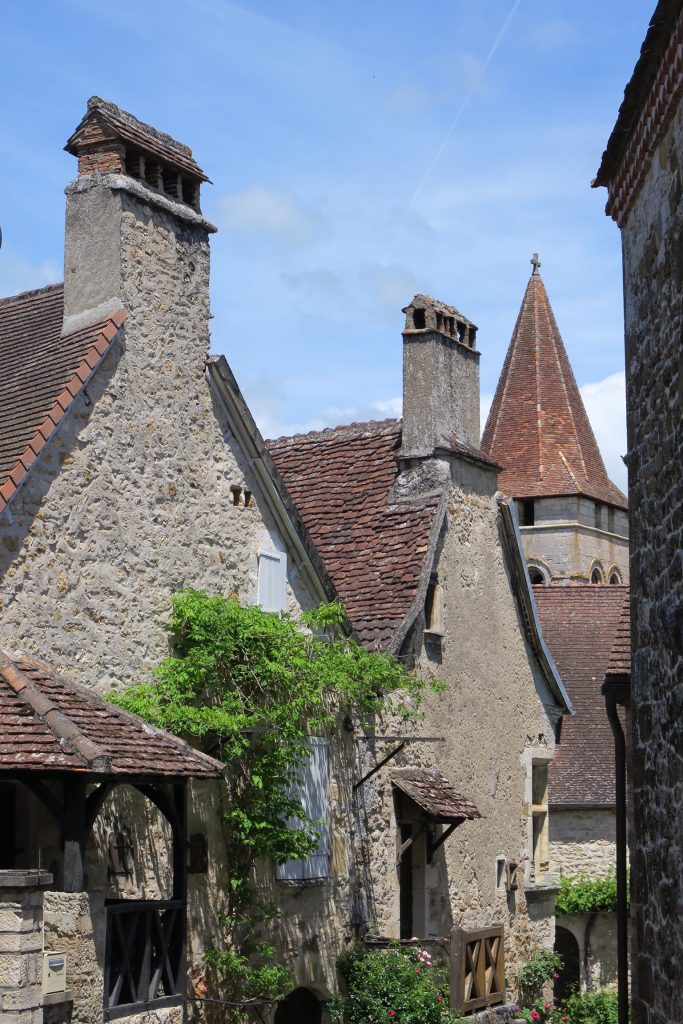
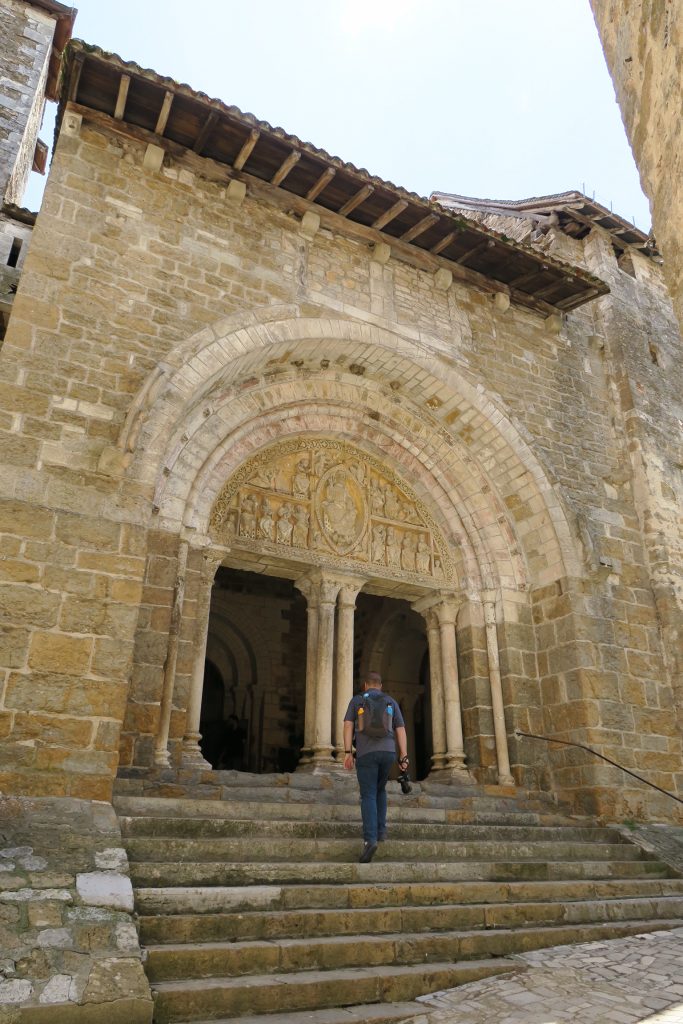
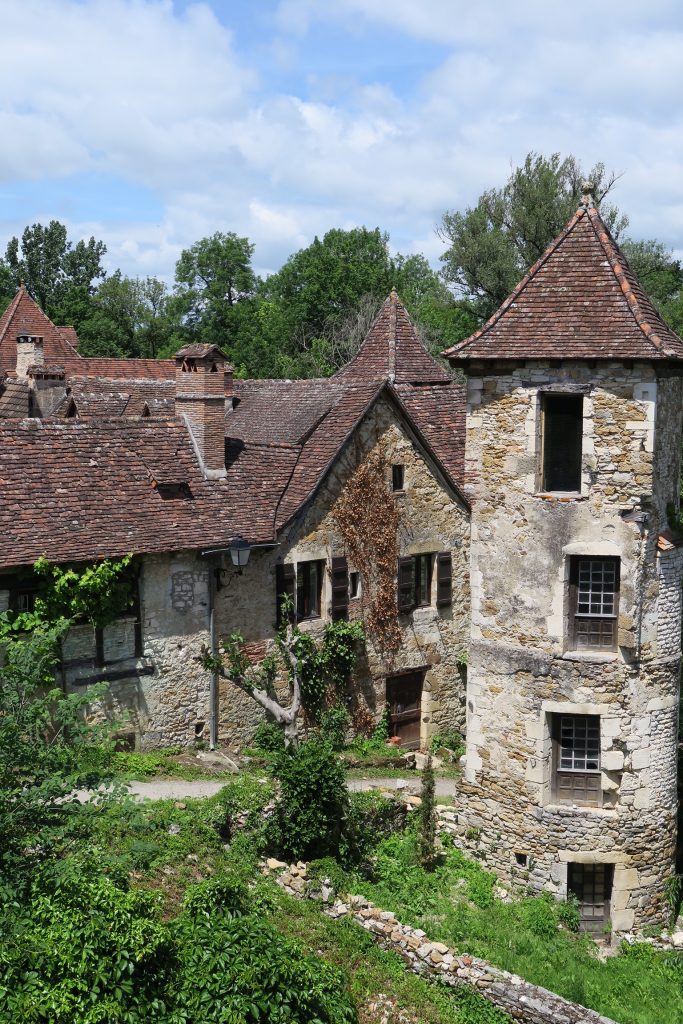
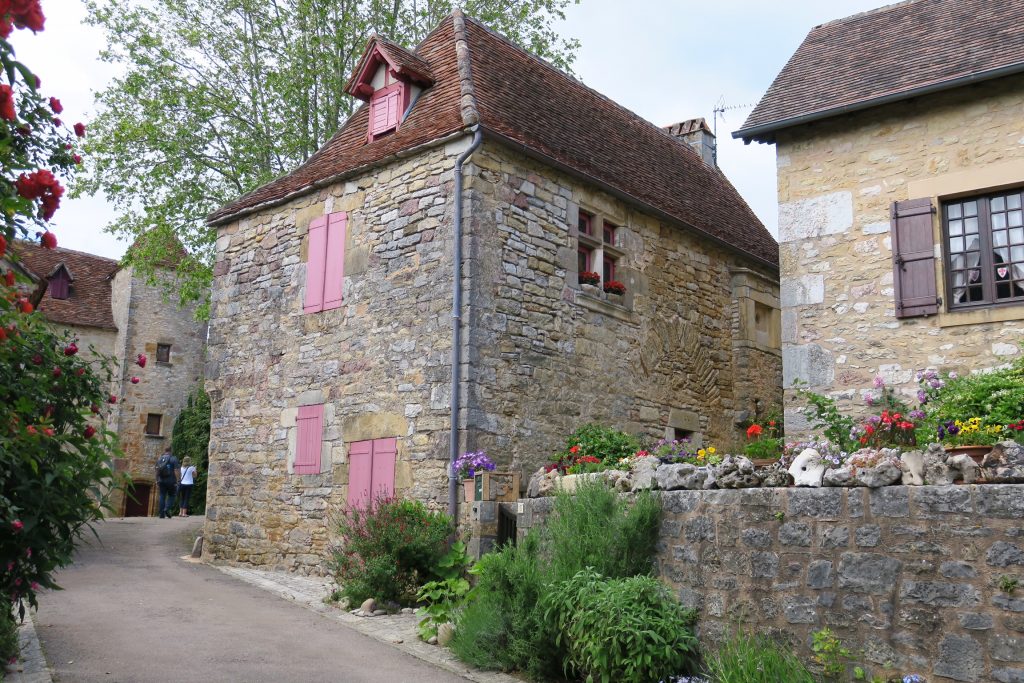
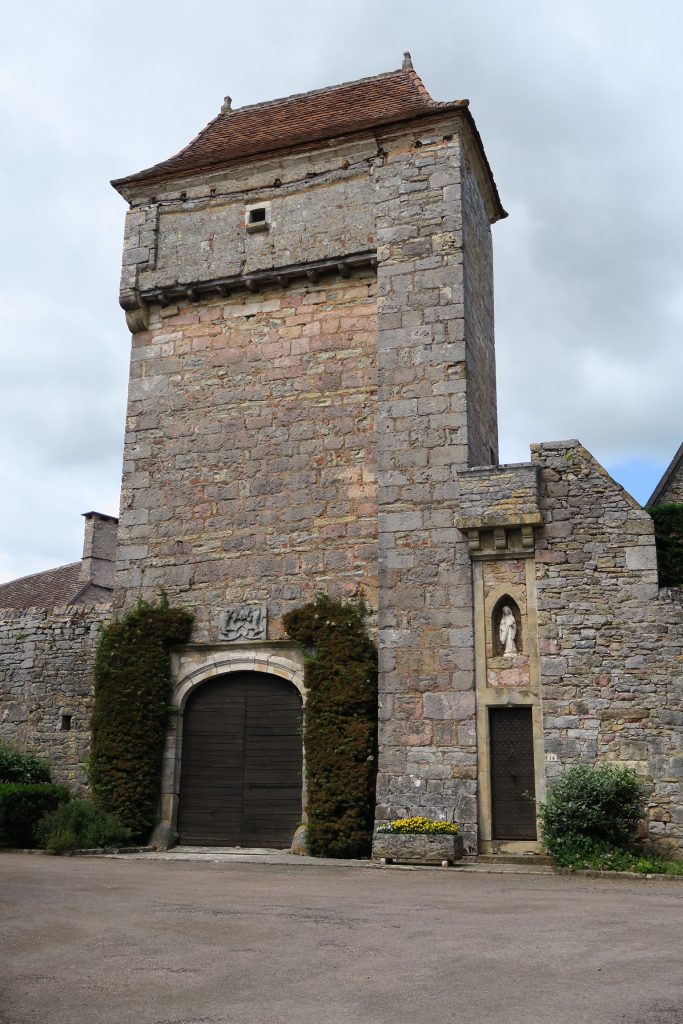
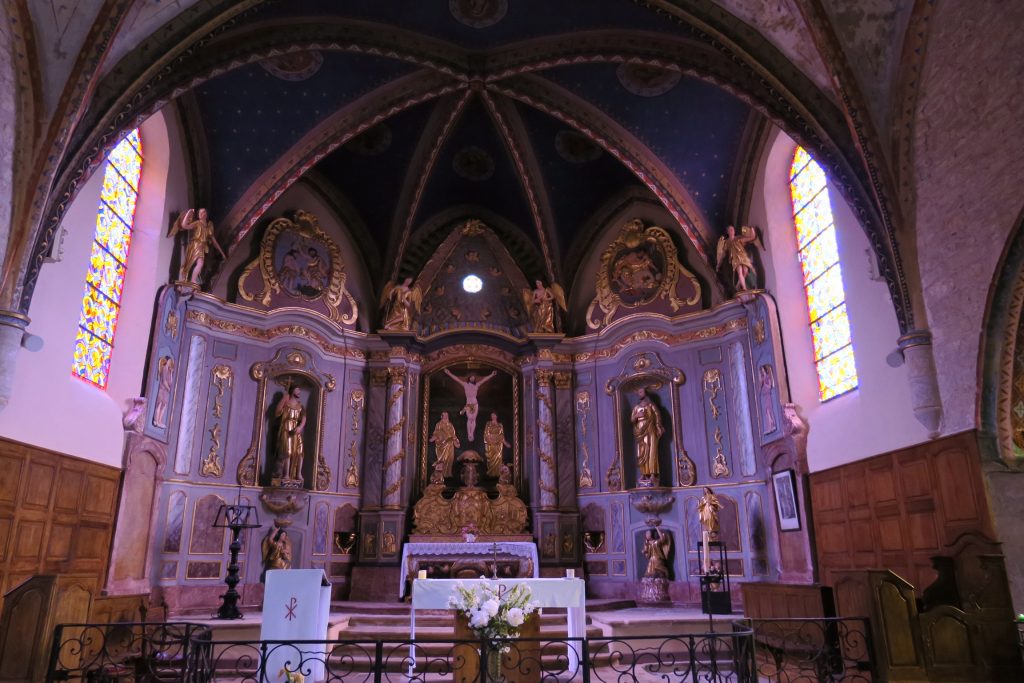
Driving further east, we came to Carennac, another charming stone village, this one along the Dordogne River. Once again, we parked on the outskirts and walked into the town. We visited the old fortified priory and strolled the curving cobblestone streets.
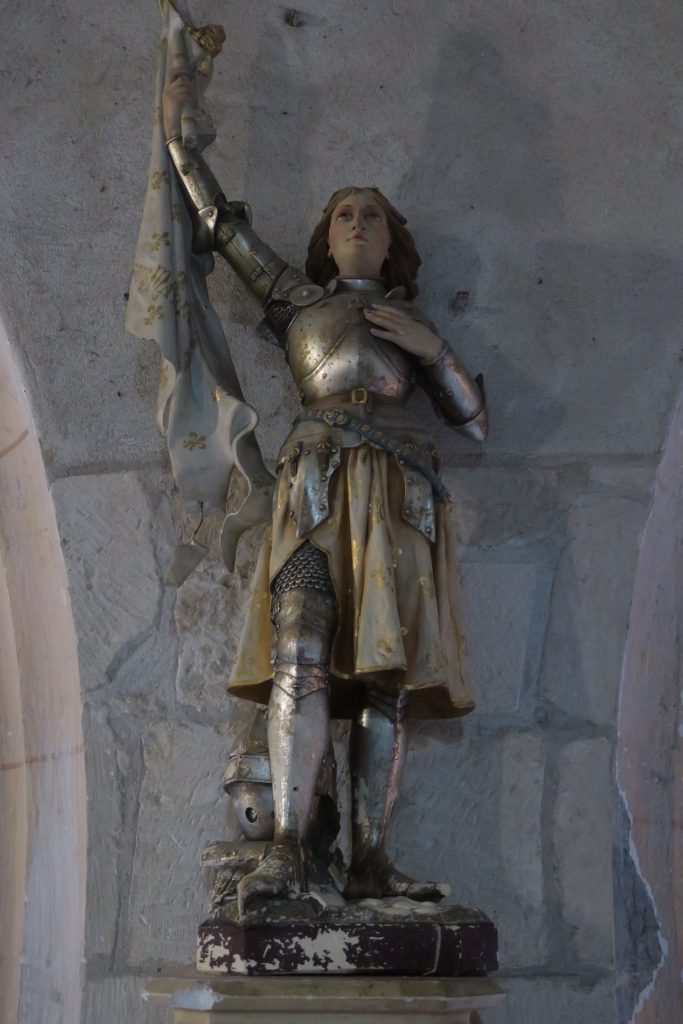
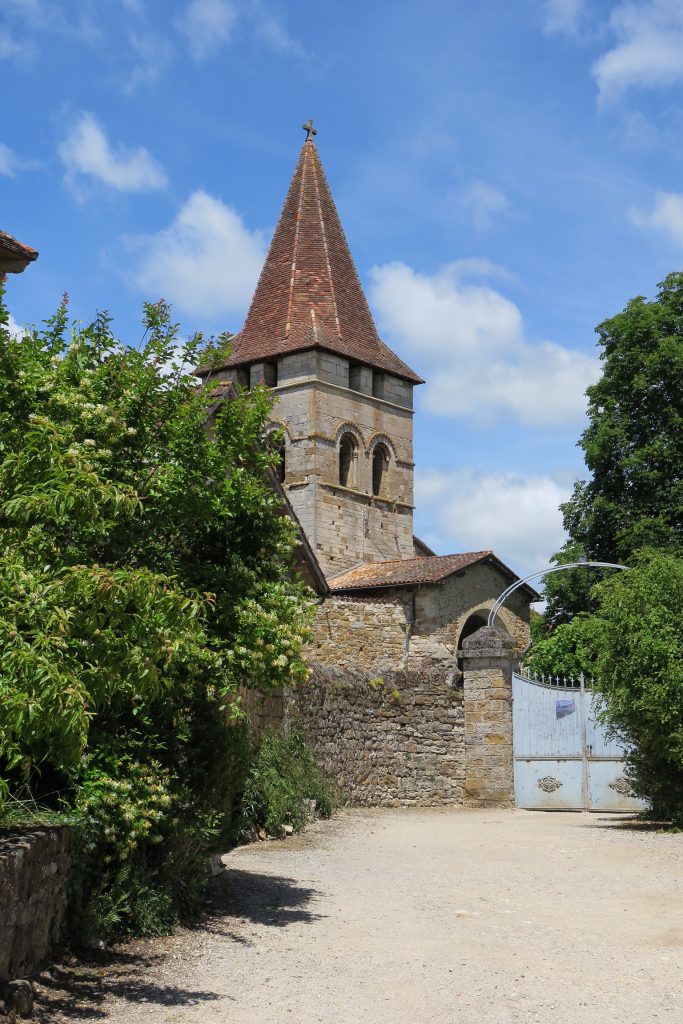
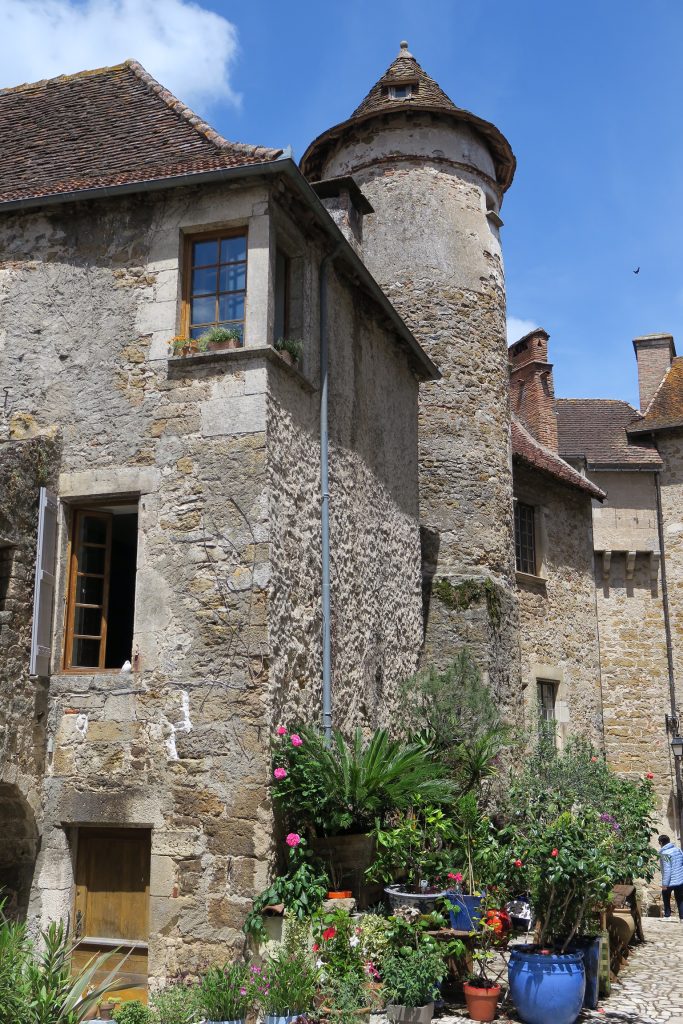
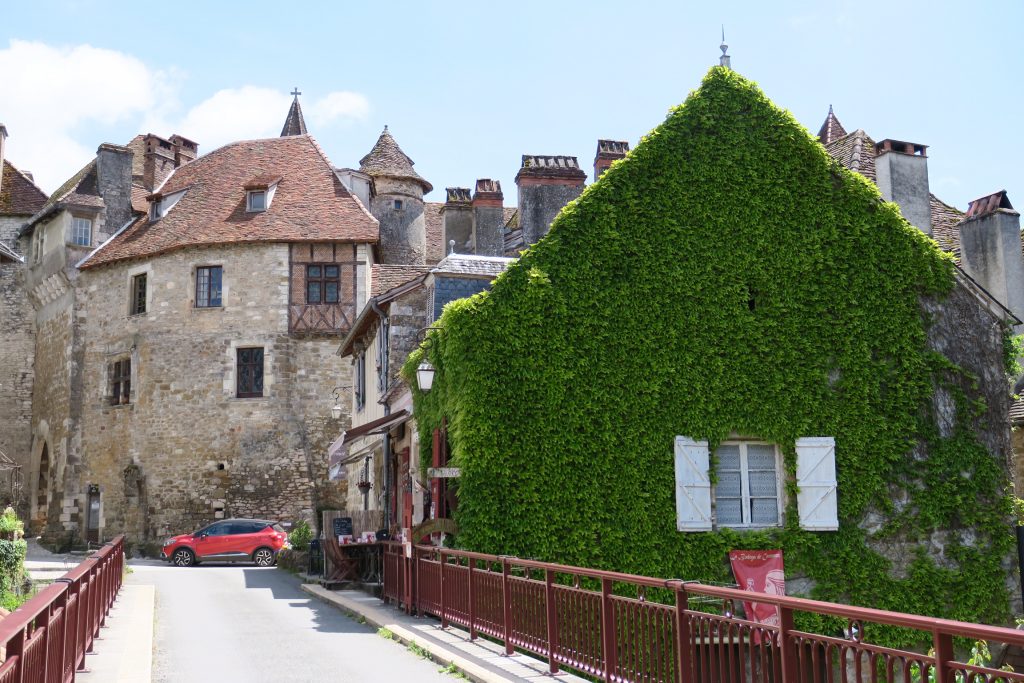
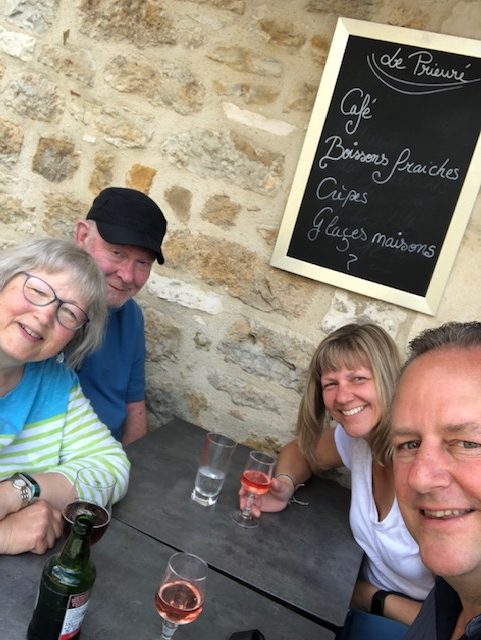
We took a brief break in our wandering for a cool beverage, at a little cafe at one end of a bridge. The picture above was my view.
We saw some pretty impressive views as we kept heading east.
Loubressac
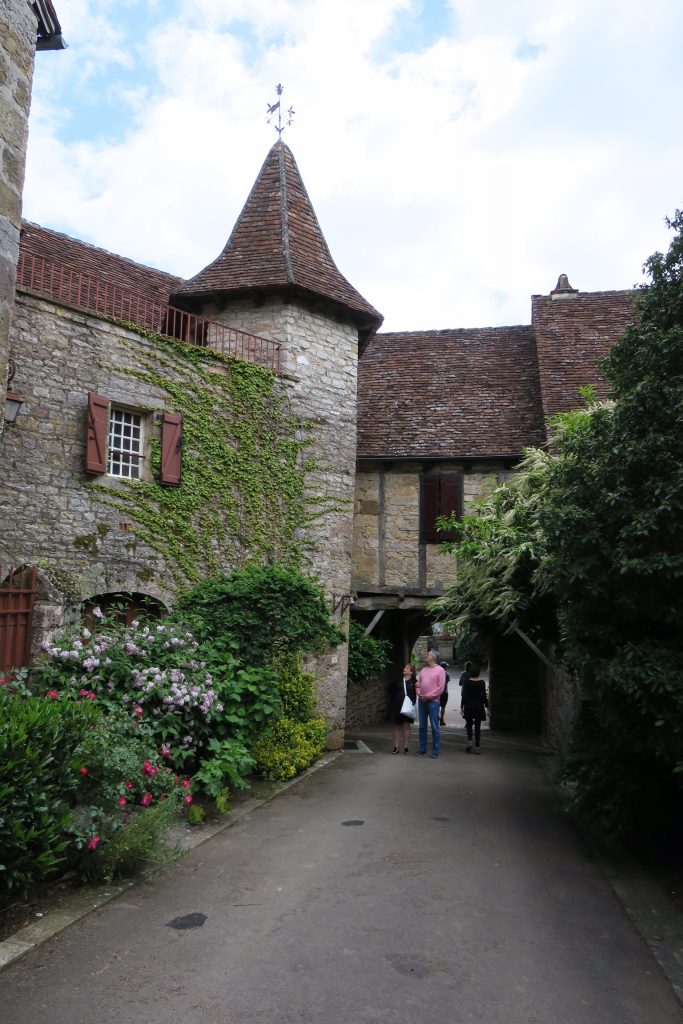
We climbed up to the village of Loubressac. It is located high atop a ridge, with gorgeous views competing with the cobblestone streets for our attention. Rick Steves considers this to be one of the most beautiful villages in France.
Autoire
Our last stop of the day was Autoire, another stony village located in a bit of a gorge. It was the turning-back point in our loop drive.
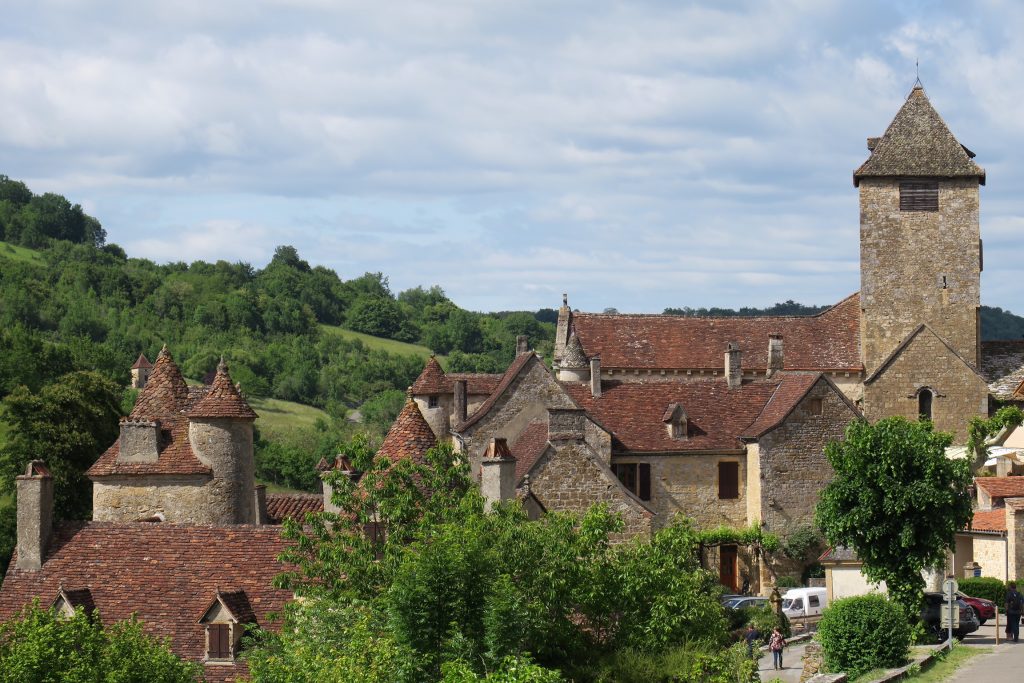

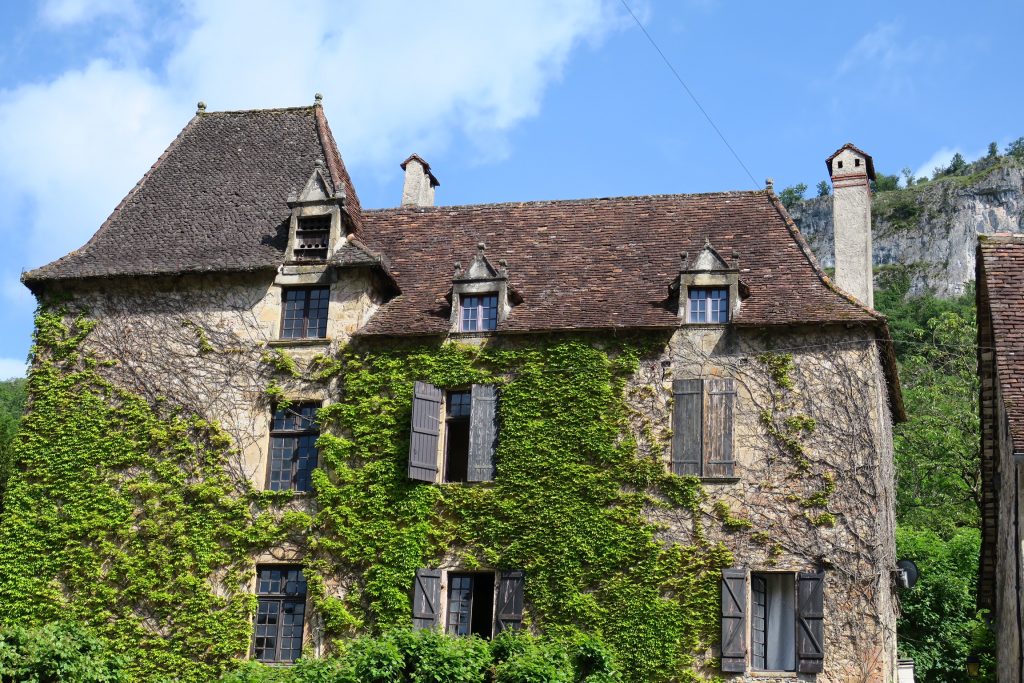
What a chock-a-block full day of sightseeing. The beauty of the Dordogne was almost overwhelming. Even though we had visited this area for a few days on our earlier trip, we had not registered just how attractive the region was. And we were certainly fortunate to see it at this lush time of year. Everything is green and leafy and blooming, further adding to the physical beauty of the landscape.
It was hard to leave all the villages and panoramas behind, but it was time to get Jill and Randy back to their Portland life and us on to the remaining portion of our visit to France.
Dordogne Highlights #2
Monday and Tuesday, May 27 and 28
Lascaux II
It was raining heavily Monday morning as we set out for our English tour of the Lascaux II cave. A cave seemed like the right place to be while the weather was being uncooperative.
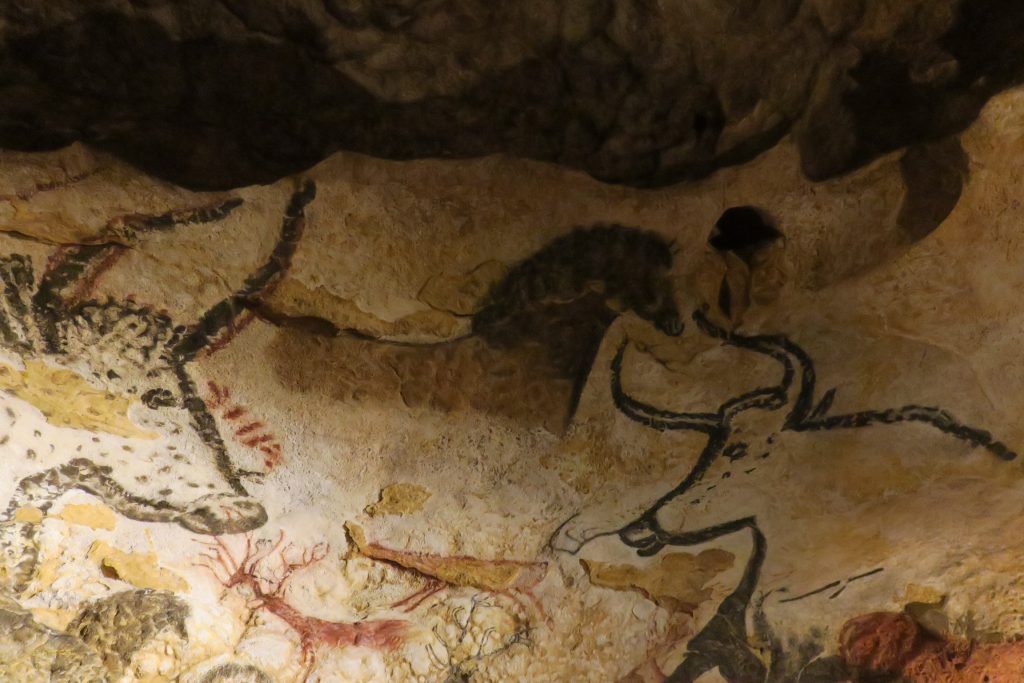
When we visited this cave in 2012, we were surprised at how much we liked seeing it. I had never been that interested in seeing the prehistoric caves that are quite numerous in this area. Nor did I relish being deep in a cave. But when we saw it, we completely changed our minds. The art is pretty amazing, and the story of the cave dwellers is compelling as well.

C
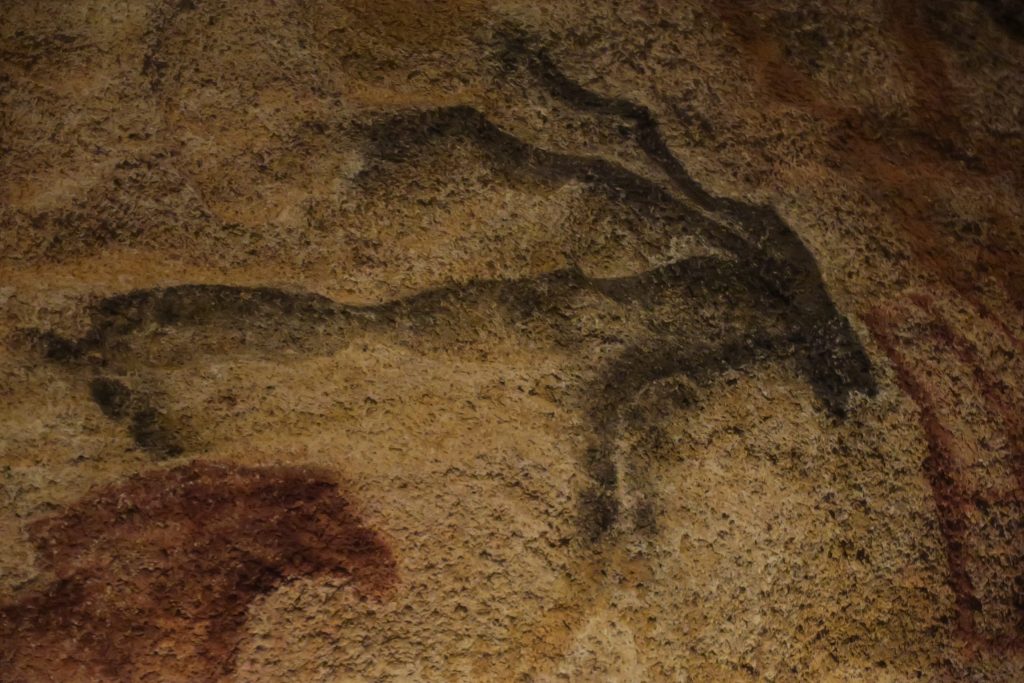
Lascaux has mostly horses and bulls represented in its artwork, and it is done in several colors.
Chateau de Losse
On the way back toward Sarlat, we took a road designated on our map as scenic. It ran along the Vezere River—pretty little river, bucolic countryside. Suddenly we saw a turret across the river, then a pretty chateau on a rocky outcrop, vines dripping down to the river. We spotted a sign that said it was open to the public and decided to take an unplanned detour in our day.
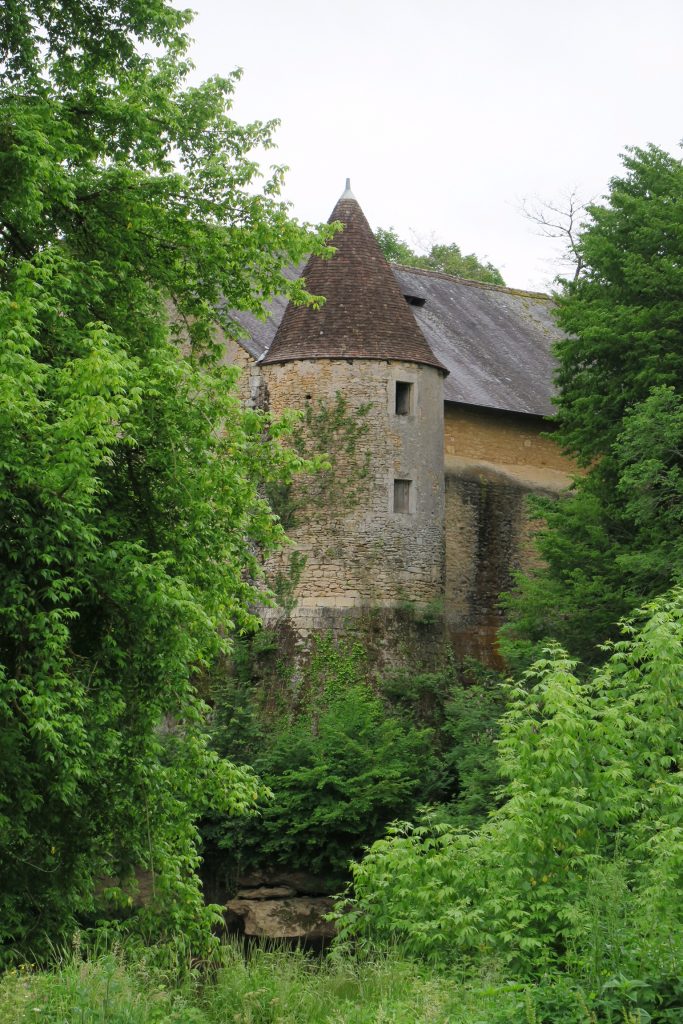
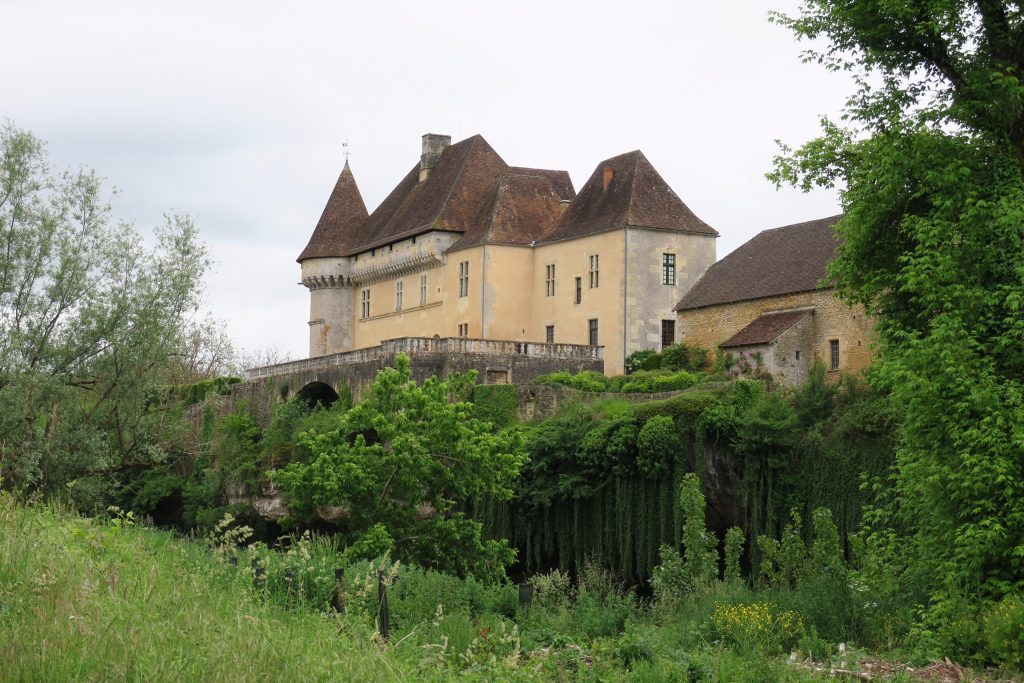
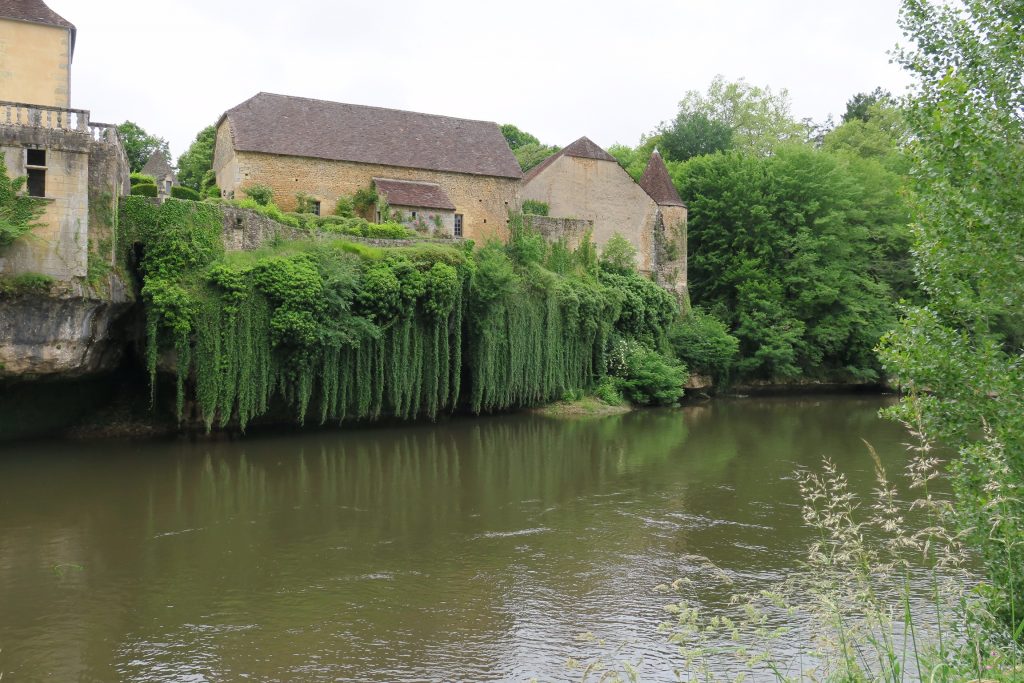
We couldn’t take any pictures inside, but the grounds were pretty photogenic too. The Losse family has been located on this site since the 11th century. The great hall dates back to 1576.
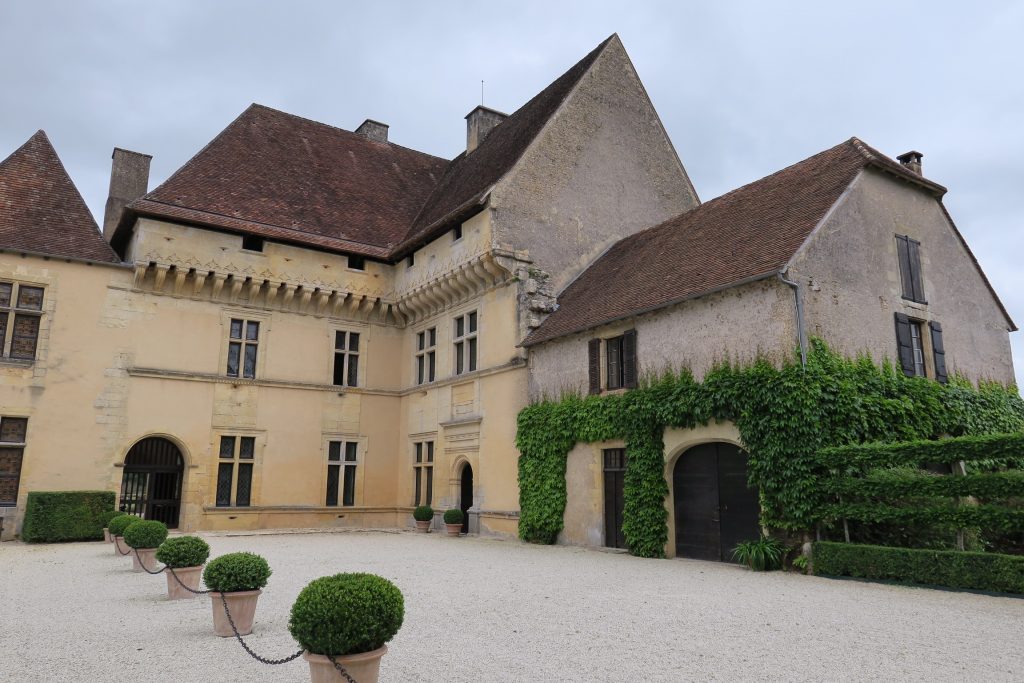
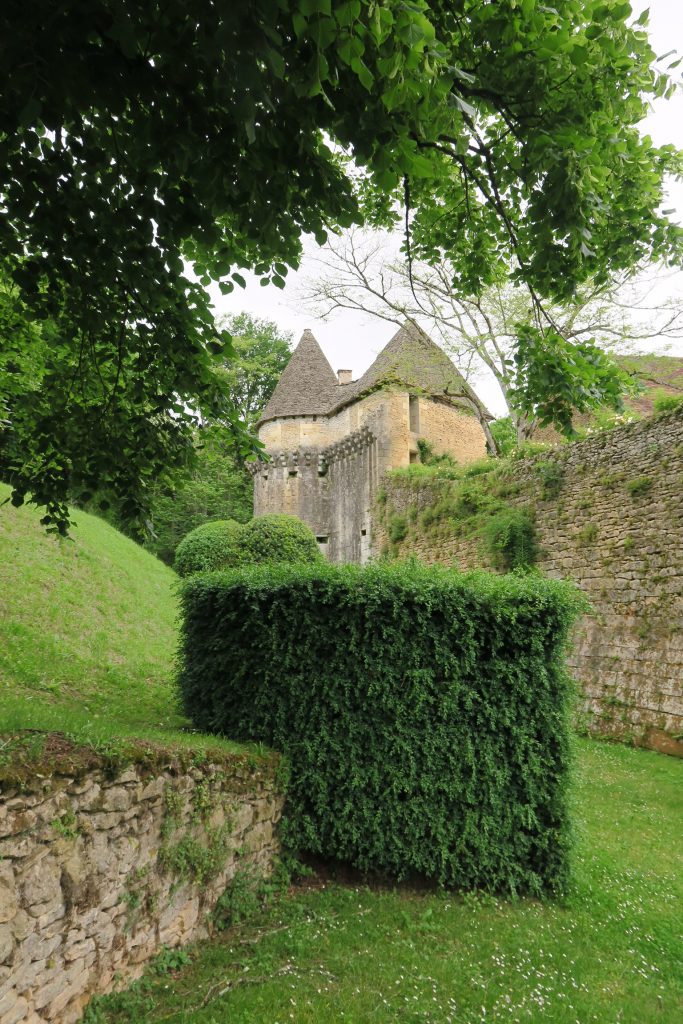
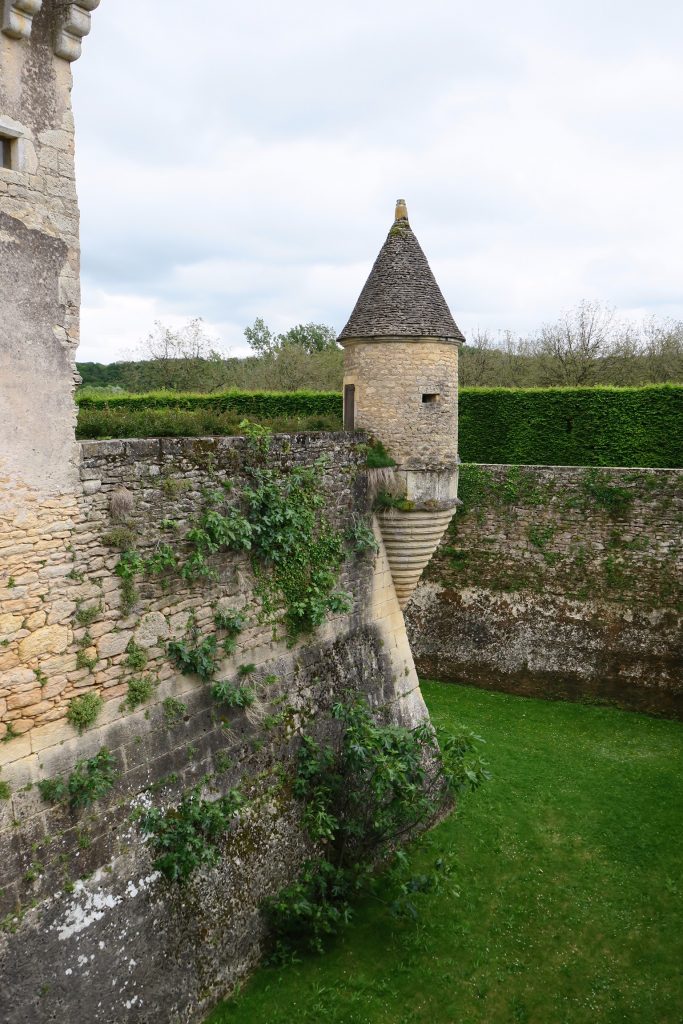
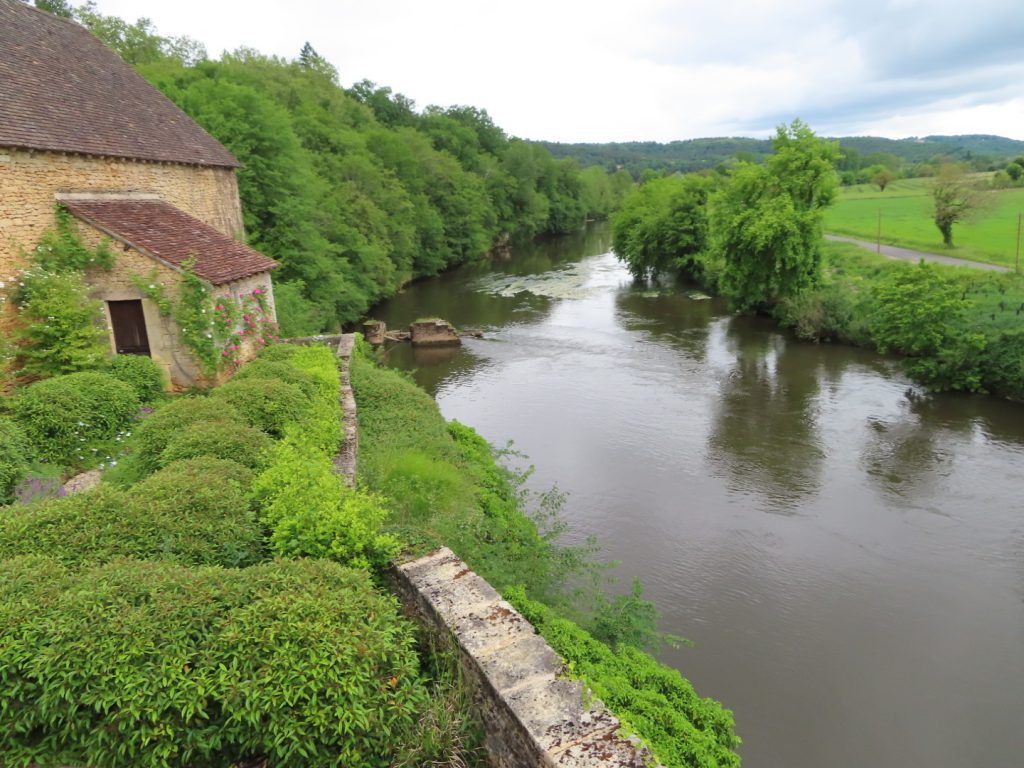
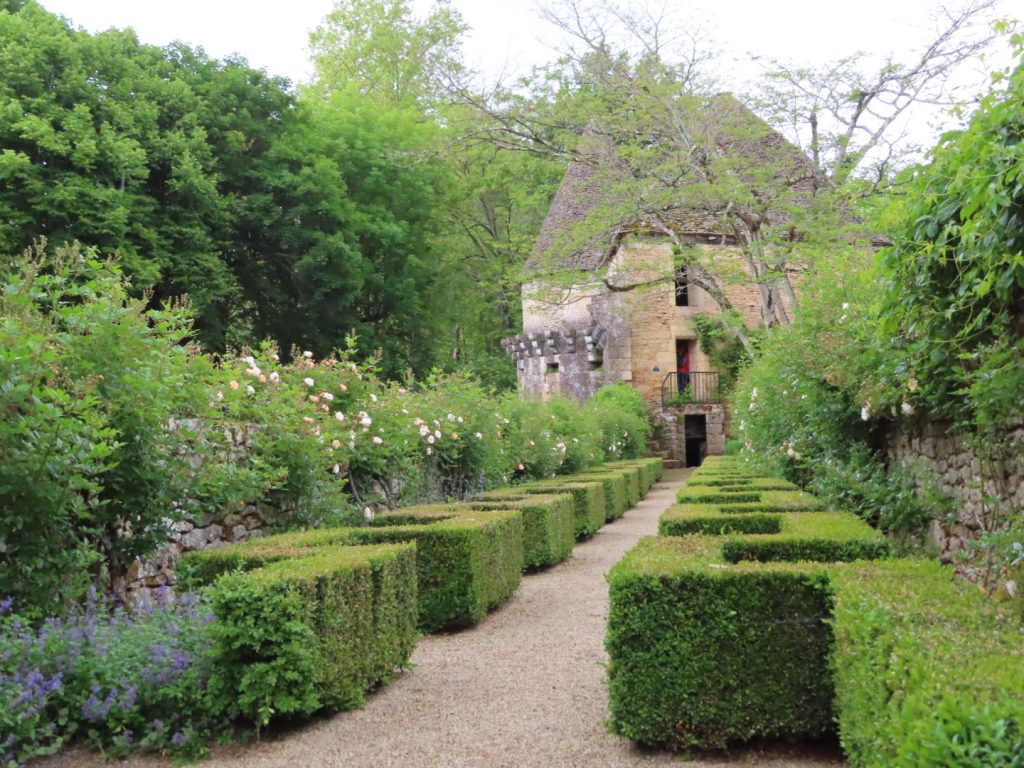
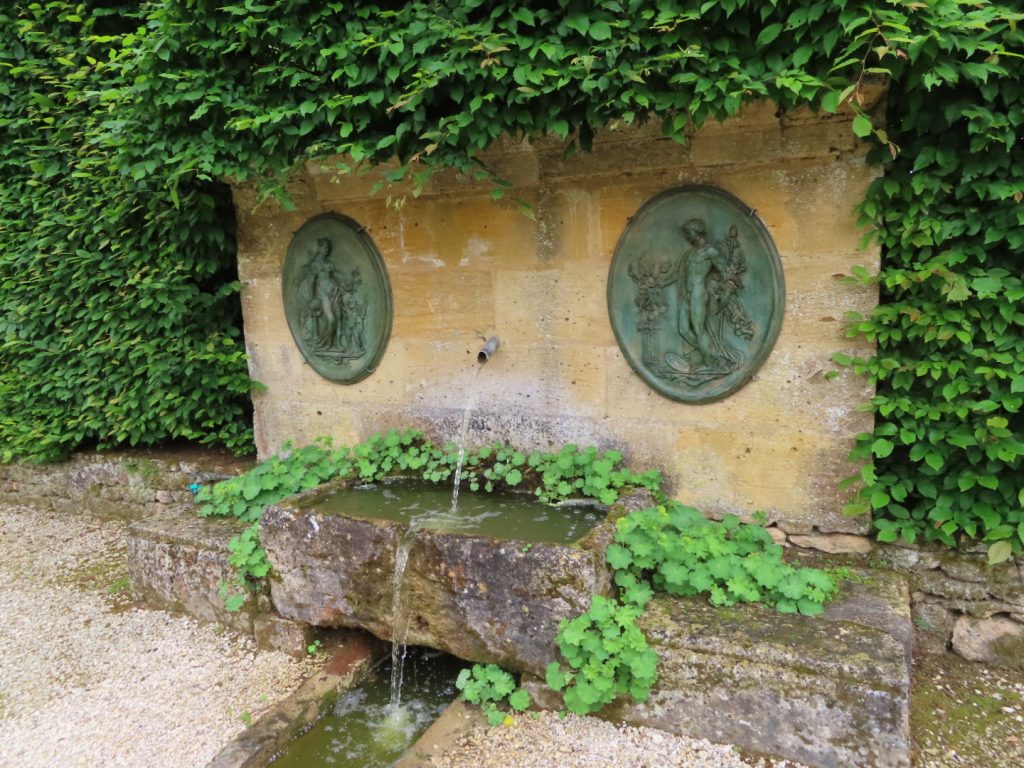
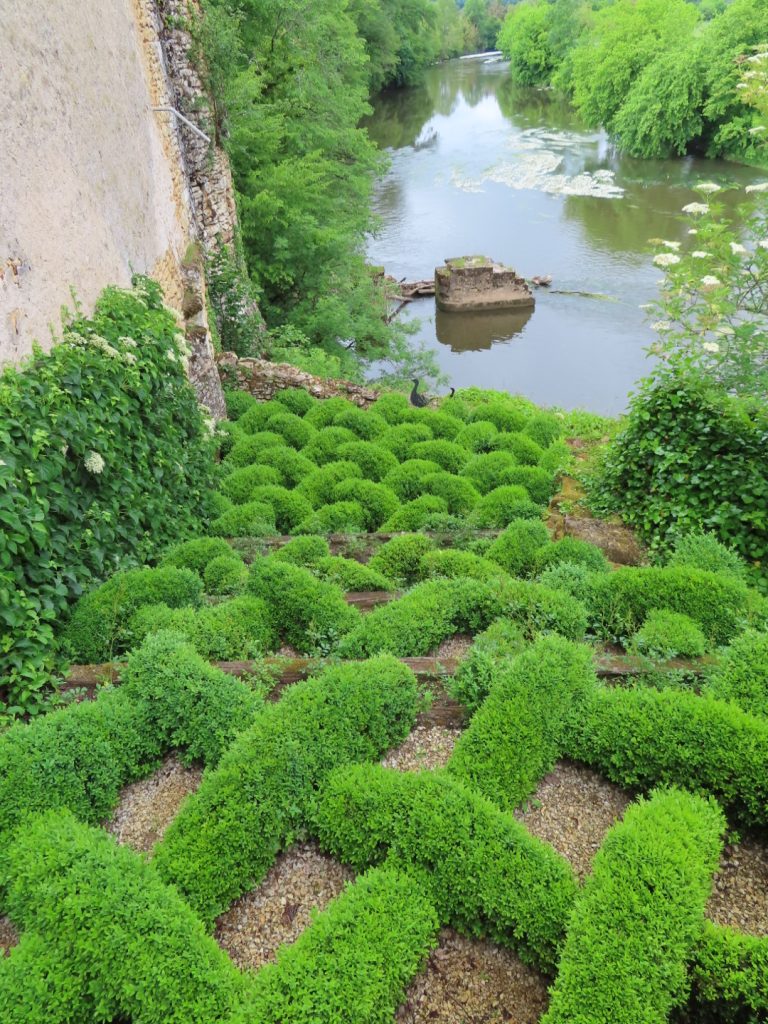
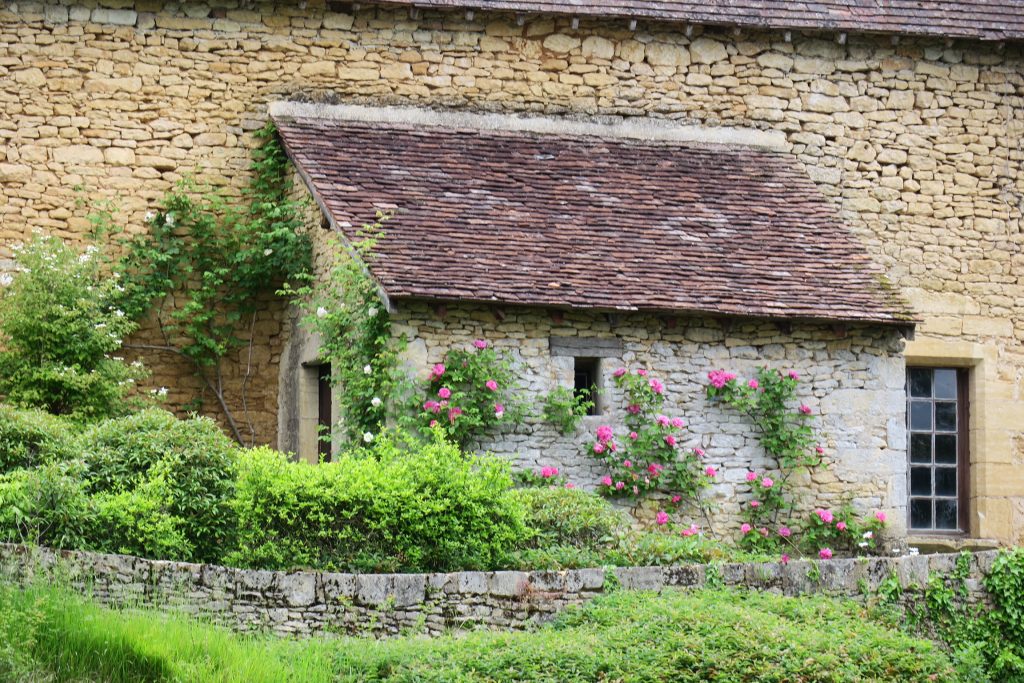
If we wanted to tour a chateau, this was a very nice choice. Just walking through the gardens was worth the price of admission.
Chateau de Beynac
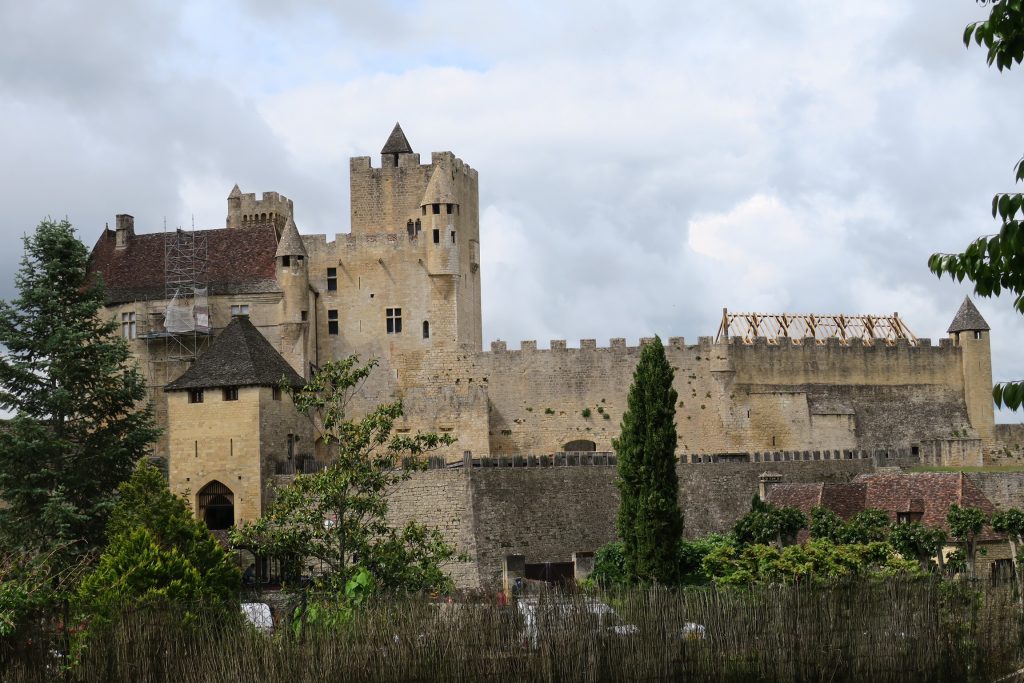
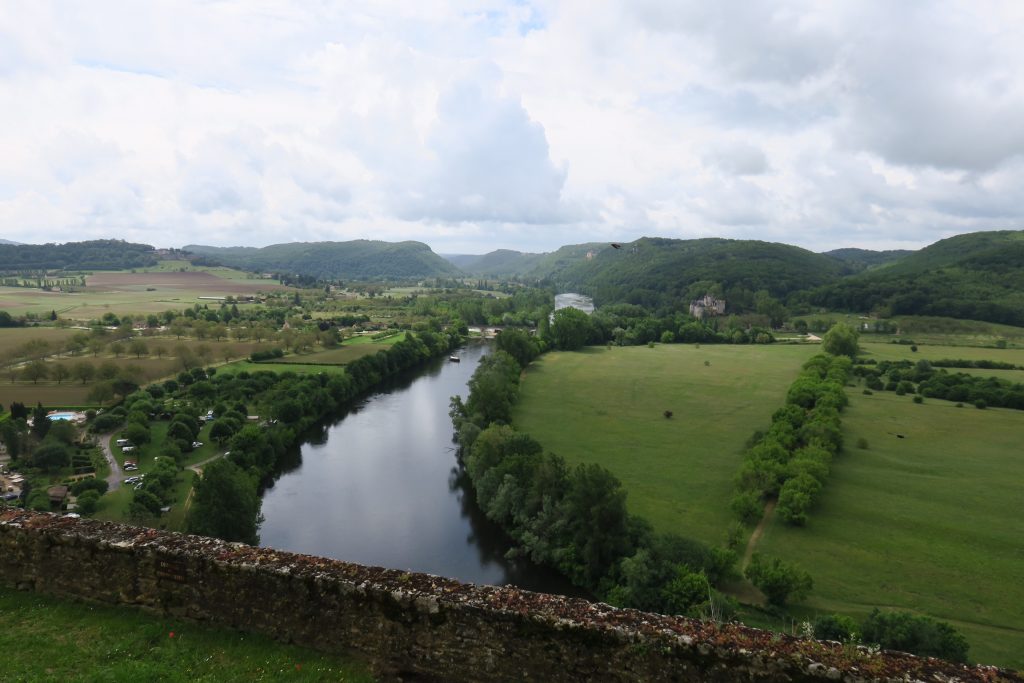
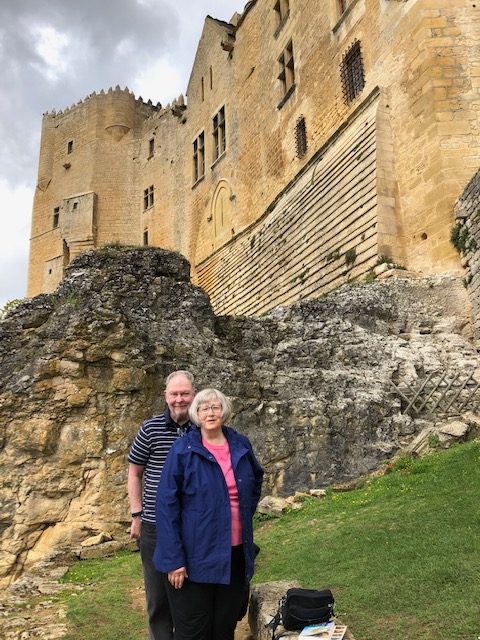
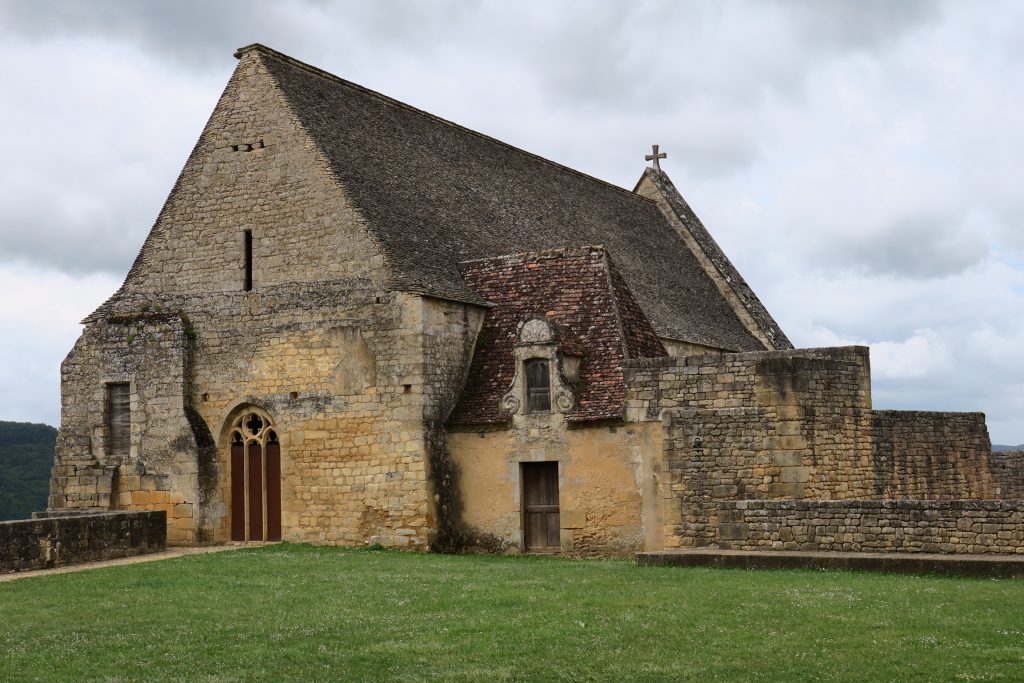
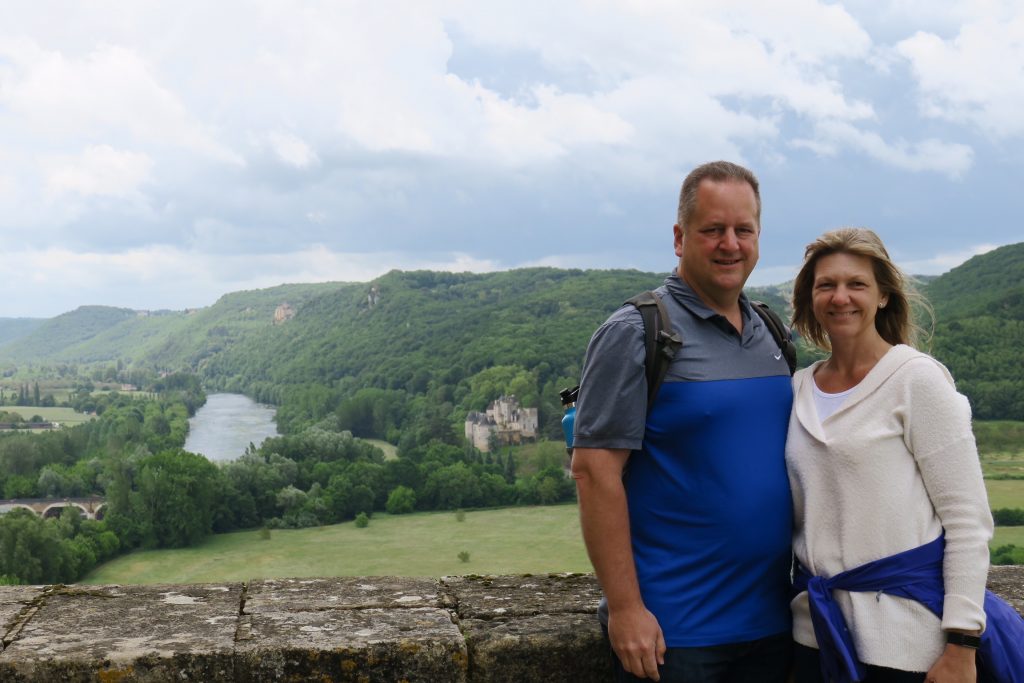
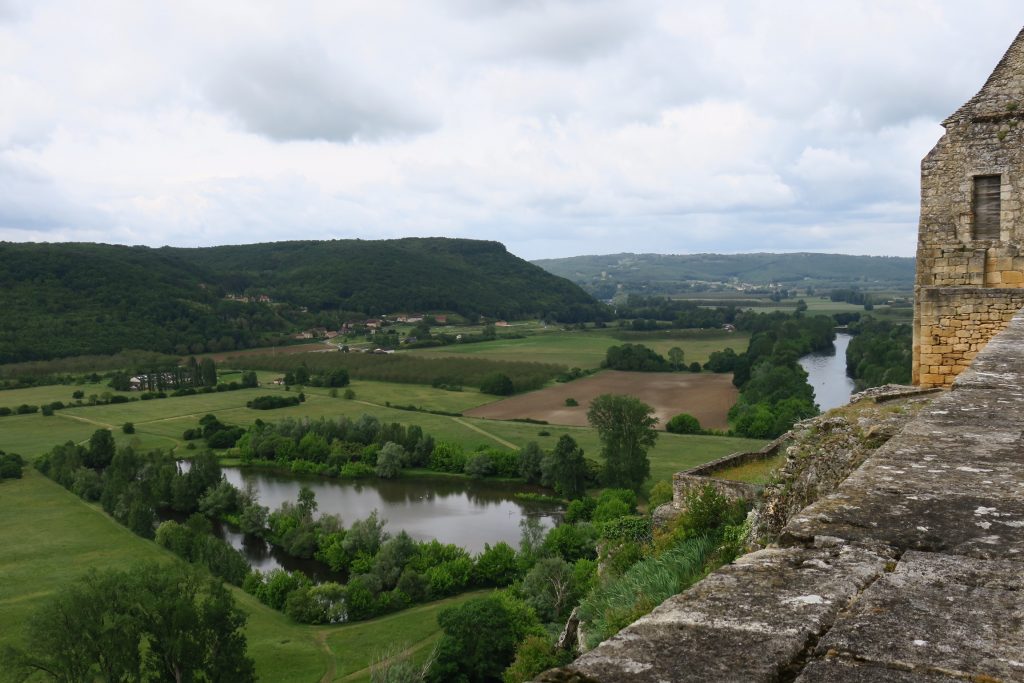
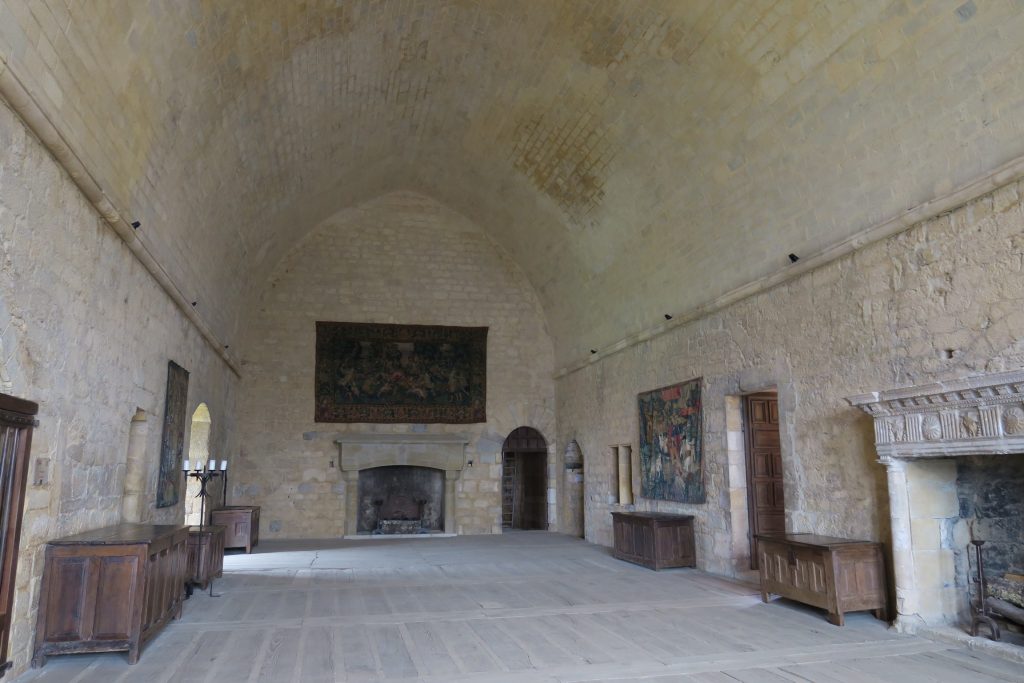
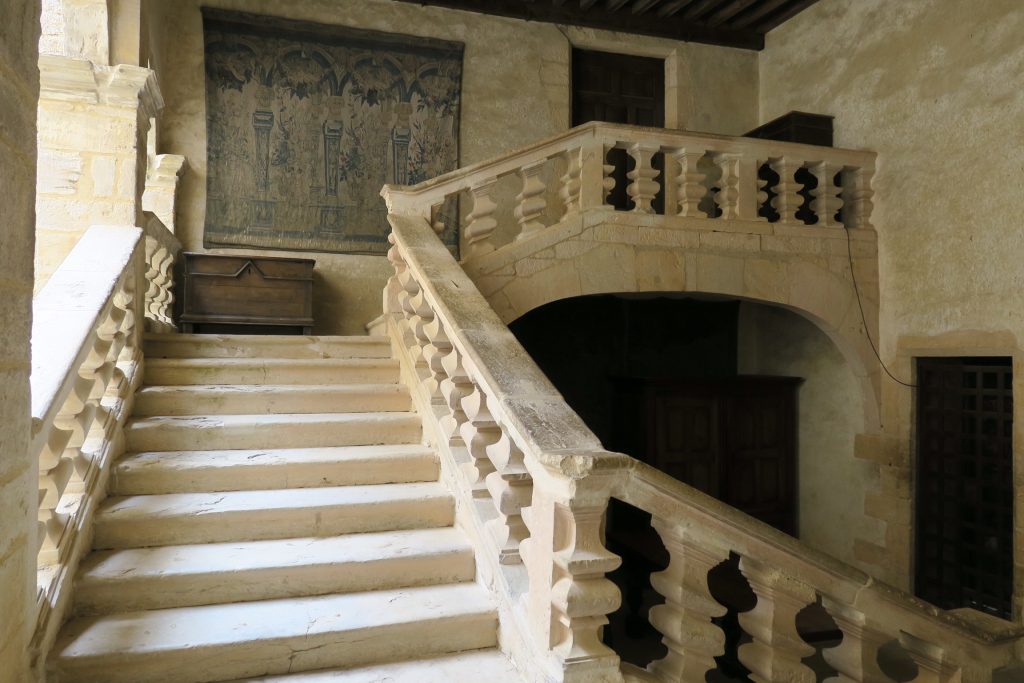
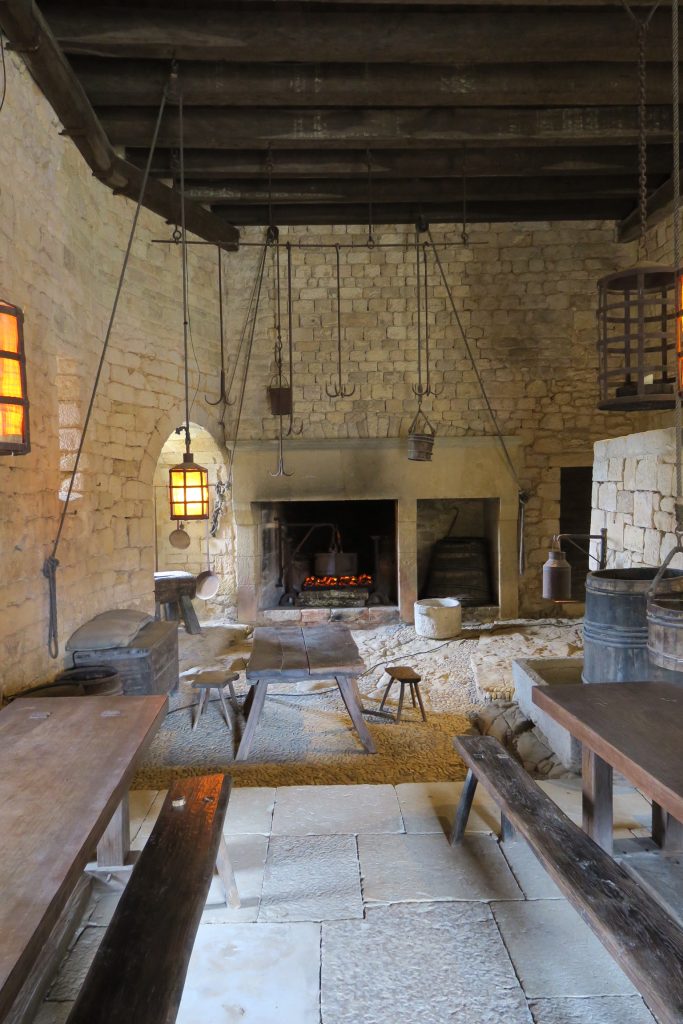
As we and Jill and Randy discussed our options, we had decided we would pick one castle, and Beynac looked like our best choice. Beynac was the primary sight for our Tuesday explorations. What a spectacular site. The village is huddled almost literally underneath the castle. The views were spectacular, and we all counted this as a real highlight.

Grotte de Rouffignac
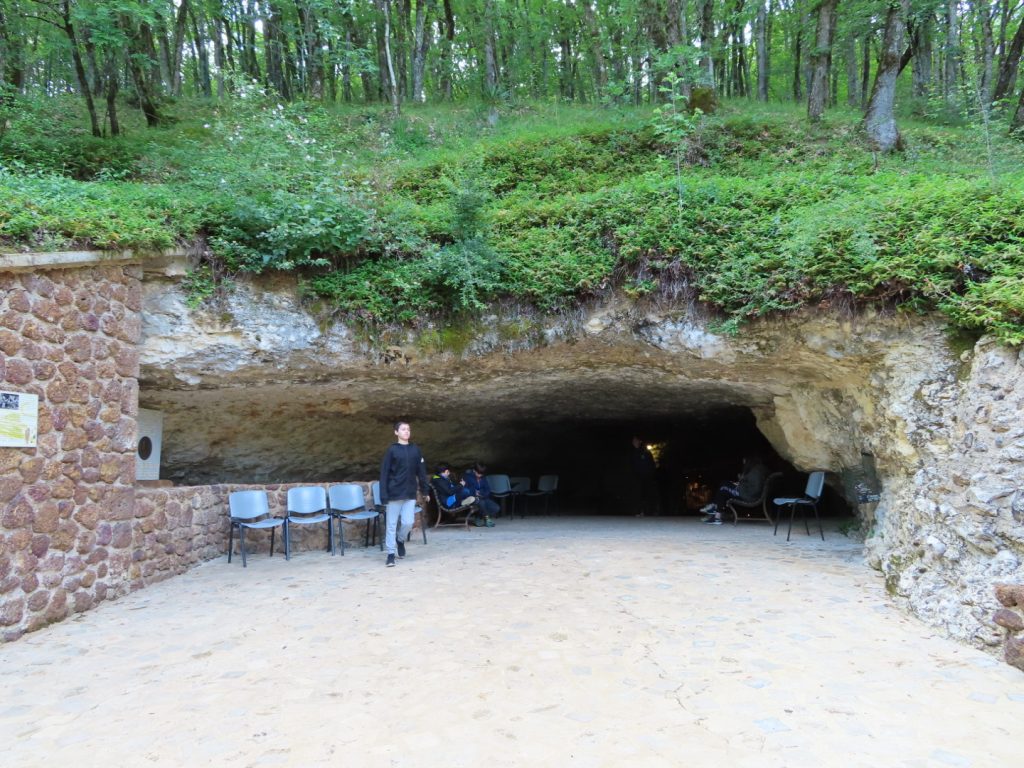
After our castle touring, we decided we had enough time to drive north to visit another prehistoric cave—this one not requiring advance tickets. We got there in time for one of the last tours of the day.
This cave differs significantly from Lascaux. Lascaux is a faithful, carefully executed replica just 200 meters from the original. It was created because of the significant deterioration that was occurring from all the visitors. One walks in only a few hundred meters, and some of the passageway is quite narrow.
Rouffignac is an actual cave. A little train takes you in about 1-1/2km, stopping frequently to view different cave art. We got out in the farthest gallery to look around.
One especially interesting aspect of the art in Rouffignac is that it has mammoths (158 of them!) and woolly rhinoceroses. Who knew such things were in this area?
After our busy and sight-filled day, we headed out for a nice dinner. It’s a rough life.